
Ankle Support Explained: When You Should Use a Brace and Why It Matters
Ankle Support Explained: When You Should Use a Brace and Why It Matters
Most of us don’t give our ankles much thought.
They do their job quietly, day after day, carrying our weight, adjusting to uneven ground, and helping us stay upright. Then one wrong step happens. A curb you didn’t see. A quick turn during a pickup game. A long shift on hard floors. Suddenly, your ankle lets you know it exists.
Ankle pain and injuries are common because ankles work hard and don’t get much credit. They’re small compared to knees or hips, but they take on a lot of stress. They also tend to get pushed past their limits, especially when we’re tired, rushing, or wearing shoes that don’t help much.
This article is here to help you make sense of what’s going on when your ankle feels off, what your options are, and when using a brace actually makes sense. No medical lecture. Just practical information you can use.
How the ankle keeps itself steady
Your ankle is held together by a network of bones, ligaments, tendons, and muscles that all have to work together.
When everything is strong and working as it should, the joint stays stable through walking, running, jumping, and sudden changes in direction.
Problems start when one part of that system fails. A ligament stretches too far during a sprain. Muscles get weak after an injury. Swelling limits movement. Once that balance is off, the ankle becomes easier to injure again. That’s why people often say things like, “I keep rolling the same ankle.”
This is where ankle support comes into the conversation. Braces and wraps are designed to step in when your body needs extra help. They don’t replace your muscles or ligaments, but they can limit risky movement and give the joint a chance to heal or stay protected during certain activities.
Situations where extra stability helps
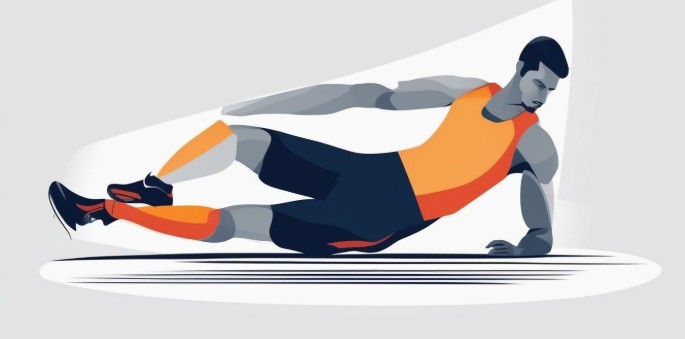
Not every sore ankle needs a brace, but there are plenty of common situations where extra stability can make a real difference, beyond exercises like these from Redbull.
If you’ve recently sprained your ankle, even a mild one, the joint is usually weaker than it feels. Pain might fade in a week or two, but the ligaments can take much longer to fully recover. Wearing a brace during that window can reduce the risk of re-injury while you get back to normal movement.
- Chronic ankle issues are another big reason people turn to braces.
- If your ankle feels wobbly, gives out easily, or has a history of repeated sprains, it’s a sign that stability is lacking.
- A brace can provide structure while you work on strength and balance.
Then there’s recovery after surgery or physical therapy. In these cases, a brace is often part of a broader plan. It adds protection while the ankle relearns how to handle load and motion.
Finally, think about activities that put your ankles at risk. Sports with cutting and jumping. Hiking on uneven trails. Jobs that keep you on your feet all day. In these situations, a brace can be more about prevention than recovery.
A look at the main types of braces
Not all ankle braces do the same thing, and choosing the wrong one can be uncomfortable or unhelpful. Many physiotherapists recommend temporary bracing during return-to-activity phases to reduce re-injury risk while strength and balance are rebuilt.
Compression sleeves are the lightest option. They’re snug, stretchy, and easy to wear under most shoes. These work well for mild swelling, soreness, or general awareness of the joint. They don’t restrict movement much, but they can make the ankle feel more supported and less fatigued.
Lace-up braces add more structure. They tighten around the ankle and limit side-to-side motion. These are common for sports and moderate injuries, especially when you need a balance between support and mobility.
Rigid and semi-rigid braces offer the most control. They often include plastic or firm supports on the sides of the ankle. These are typically used after more serious injuries or when instability is a major concern. They’re bulkier and not always comfortable for long periods, but they can be very effective when protection is the priority.
Choosing the appropriate level of ankle support can make recovery and prevention efforts more effective.
When wearing a brace makes sense
So how do you know when it’s time to consider a brace?
Start by paying attention to patterns. Does your ankle hurt during activity but calm down afterward? Do you feel hesitant stepping on uneven ground? Have you rolled the same ankle more than once? Those are all signs that something isn’t quite right.
A brace also makes sense when you’re returning to activity after an injury. Even if you feel mostly better, your ankle may not be ready to handle sudden movement yet. Wearing a brace for a few weeks during workouts or long days can give you confidence while reducing risk.
Prevention matters too. If you know you’re heading into a situation that’s tough on your ankles, like a long hike or a tournament weekend, wearing a brace can be a smart choice. It’s not about weakness. It’s about being realistic.
That said, braces are usually best used intentionally and temporarily. They’re tools, not permanent solutions.
Why added stability can change everything
Ignoring ankle instability doesn’t usually end well. When the joint isn’t supported, your body often compensates in subtle ways. You might change how you walk. You might avoid certain movements. Over time, that can lead to pain in other areas like the knee, hip, or lower back.
Using a brace at the right time can help break that cycle.
- It allows the ankle to move within safer limits while healing or strengthening happens.
- It can also improve balance and confidence, which matters more than people realize. When you trust your ankle, you move more naturally.
There’s also a long-term angle here. Repeated ankle injuries increase the risk of chronic instability and early joint wear. Supporting the ankle when it needs help can protect it down the road.
Stretching often won’t be enough.

Knowing when a brace isn’t enough
As helpful as braces can be, they’re not magic. There are times when you need more than external support.
If you’re dealing with ongoing pain, swelling that doesn’t improve, or a feeling that your ankle is getting worse instead of better, it’s time to get professional input. A doctor or physical therapist can assess what’s really going on and guide you toward the right treatment.
Strength and mobility work are also essential. Braces don’t rebuild muscle or restore balance on their own. Exercises that target the ankle, foot, and lower leg are key to long-term improvement. Think of a brace as something that helps you stay safe while you do the real work.
There’s also the risk of over-reliance. Wearing a brace all the time without addressing underlying weakness can slow progress. The goal is support when you need it, not avoidance of movement altogether.
Optimal Protection is Key
Ankles may be small, but they play a huge role in how you move and feel every day. When something goes wrong, it’s easy to push through and hope for the best. That approach often backfires.
Understanding when and why to use a brace gives you options. It helps you respond instead of react. Whether you’re recovering from an injury, dealing with ongoing instability, or trying to prevent a problem before it starts, the right choice at the right time can make movement feel safer and more comfortable.
If your ankle has been sending you signals, don’t ignore them. Pay attention. Take action early. A little support now can save you a lot of frustration later.