
The Role of Healthy Circulation in Fitness Performance
The Role of Healthy Circulation in Fitness Performance
When people think about improving their fitness, they usually focus on the obvious factors: workout intensity, nutrition, sleep, and consistency.
Yet one of the most fundamental systems that determines how well your body performs during exercise often goes unnoticed until something goes wrong with it. Circulation, the process by which blood carries oxygen and nutrients to your muscles and removes waste products, plays a central role in everything from endurance to recovery. Understanding how circulation influences fitness can help athletes and everyday exercisers alike train smarter and recognize warning signs before they become serious problems.
Why Circulation Matters More Than You Think
Every muscle contraction during exercise depends on a steady supply of oxygenated blood. Without efficient circulation, muscles fatigue faster, recovery slows down, and overall performance suffers. The cardiovascular system essentially acts as the delivery network for the entire body, transporting oxygen from the lungs to working muscles while simultaneously carrying away carbon dioxide and metabolic waste like lactic acid. When circulation is compromised due to underlying vein problems, persistent leg heaviness, swelling, or visible varicose veins can interfere with both performance and recovery. In these cases, seeking comprehensive treatment for varicose vein symptoms in Phoenix may help address the underlying cause and support healthier circulation. When this system operates efficiently, exercise feels more sustainable and recovery between sets or sessions happens more quickly.
The Connection Between Blood Flow and Muscle Endurance
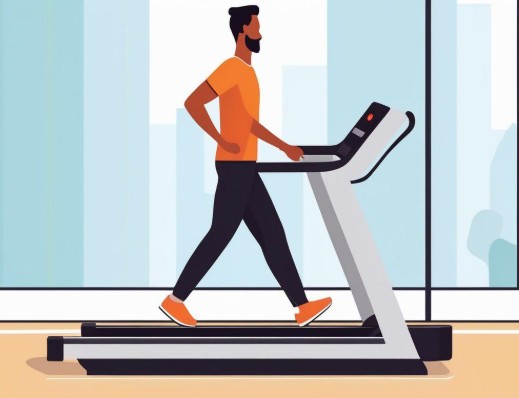
Muscle endurance, the ability to sustain repeated contractions over time, is directly tied to how efficiently blood moves through the body. During exercise, working muscles demand significantly more oxygen than they do at rest, and the cardiovascular system must respond by increasing heart rate and dilating blood vessels to accommodate this need. Athletes with strong circulatory efficiency tend to experience delayed onset of fatigue because their muscles receive oxygen and nutrients more rapidly while waste products are cleared away just as quickly. This is part of why cardiovascular training, such as running, cycling, or swimming, often improves performance across seemingly unrelated activities like weightlifting or sports that require quick bursts of power. Improved circulation essentially raises the ceiling for how hard and how long the body can work before fatigue sets in.
How Poor Circulation Impacts Athletic Recovery
Recovery is often treated as a passive process, something that simply happens between workouts.
- In reality, recovery is an active physiological process that depends heavily on healthy blood flow.
- After intense exercise, muscles accumulate microscopic damage that needs to be repaired, and this repair process relies on nutrients and oxygen being delivered efficiently to the affected tissue.
- When circulation is impaired, whether due to prolonged sitting, dehydration, poor vascular health, or underlying conditions, recovery slows considerably.
- This can lead to prolonged soreness, increased injury risk, and a frustrating cycle where athletes feel like they never fully bounce back before their next training session.
Prioritizing circulation is not just about performance during exercise but also about how effectively the body heals afterward.
The Role of Blood Vessels in Long-Term Fitness
Blood vessels, particularly veins, play a supporting but essential role in overall circulatory health.
Veins are responsible for returning deoxygenated blood back to the heart, working against gravity, especially in the legs. This process relies on a combination of muscle contractions and one-way valves within the veins that prevent blood from flowing backward. Over time, factors such as prolonged standing, sedentary habits, genetics, or repetitive high-impact activity can weaken these valves, leading to blood pooling in the lower extremities. This is often when issues like varicose veins begin to develop, presenting as swollen, twisted veins that are visible beneath the skin, frequently accompanied by aching, heaviness, or fatigue in the legs.
For athletes and fitness enthusiasts who spend significant time on their feet or engage in repetitive lower-body movements, maintaining healthy vein function is just as important as building muscular strength.
Recognizing the Signs of Circulatory Issues During Exercise
Many people mistake early signs of circulatory problems for normal exercise-related discomfort. However, there are noticeable differences worth paying attention to. Ordinary muscle fatigue typically resolves with rest and feels like a dull, generalized tiredness. Circulatory issues, on the other hand, often present as persistent heaviness, throbbing, swelling, or a sensation of tightness in the legs, particularly toward the end of the day or after prolonged periods of standing or sitting. Visible veins that bulge or take on a bluish, twisted appearance are another indicator that circulation may not be functioning optimally. Ignoring these signs can lead to worsening symptoms over time, and in some cases, more serious vascular complications. Recognizing the difference between typical exercise fatigue and something more systemic is an important step toward protecting both performance and long-term vascular health.
Practical Strategies to Support Healthy Circulation
Supporting circulation does not require dramatic lifestyle changes, but it does require consistency. Staying well hydrated is one of the simplest and most effective ways to maintain healthy blood viscosity, allowing it to flow more easily through the vascular system.
- Incorporating regular movement throughout the day, rather than remaining sedentary for extended periods, helps activate the muscle pumps in the legs that assist venous return.
- Compression garments have also become increasingly popular among athletes, as they apply gentle pressure that supports vein function and reduces blood pooling during and after exercise.
- Additionally, elevating the legs after intense training sessions can help reduce swelling and support the return of blood flow toward the heart.
Strength training that targets the calf muscles is particularly beneficial, since the calves act as a secondary pump that pushes blood upward against gravity.
When Professional Support Becomes Necessary
While lifestyle adjustments can significantly improve circulation for most people according to WashU, some circulatory issues require professional evaluation and treatment. Varicose veins, for instance, are not purely a cosmetic concern. Left unaddressed, they can lead to chronic discomfort, skin changes, and in more advanced cases, complications such as blood clots or venous ulcers.
Athletes who notice persistent leg heaviness, visible vein changes, or swelling that does not improve with rest and elevation should consider seeking specialized care rather than assuming the issue will resolve on its own. Early intervention often leads to better outcomes and can prevent more significant vascular problems from developing over time.
The Broader Impact of Circulation on Overall Health
Healthy circulation is a foundational, though often overlooked, component of athletic performance and recovery. From delivering oxygen to working muscles to clearing away metabolic waste and supporting long-term vascular health in this article, the circulatory system influences nearly every aspect of physical fitness.
Recognizing the early signs of circulatory issues, incorporating simple supportive habits into daily routines, and seeking professional guidance when necessary can make a meaningful difference in both performance and overall wellbeing.
Whether you are a competitive athlete or someone simply working to stay active and healthy, paying attention to circulation is a step toward training smarter and protecting your body for the long term.