
Blood Flow and Performance: Why Healthy Veins Matter for Athletes
Blood Flow and Performance: Why Healthy Veins Matter for Athletes
There are a number of contributing factors when athletes consider the question of performance and they often revolve around:
- Strength
- Endurance
- Nutrition
- Mental discipline
Training is meticulously planned, recovery regimes are honed, equipment is tuned to eke out the small percentage difference. But there’s one aspect of performance that is equally as important yet often ignored: venous health. Normal veins are not only a health concern, they are a performance issue. The efficiency of the bloodstream affects how well muscles receive oxygen, how rapidly waste from metabolism is cleared away and how effectively the body can repair itself after intense exertion.
Every mile matters For athletes on any level, from hobbyists to elites, the role of healthy veins can provide a key for better endurance, faster recovery and sustainability in sport.
Circulation is not merely a substructure; it’s the generator of performance.
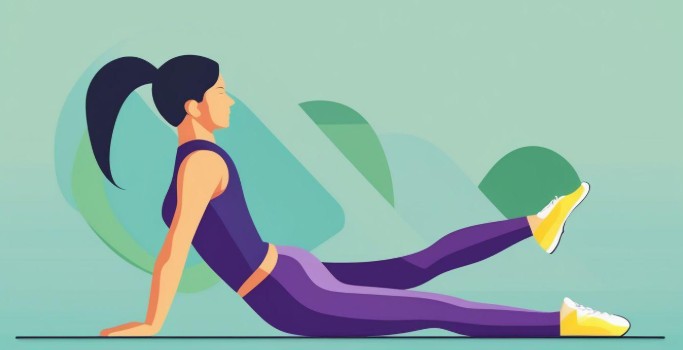
Hemodynamic Processes in Sport Hemodynamics in Performance Sports
The circulatory system is made up of arteries, veins, and capillaries that move blood around the body. Arteries transport oxygenated blood from the heart to muscles and organs. Veins carry oxygen-depleted blood to the heart and lungs.
The exchange of oxygen, nutrients and waste products between blood and tissues occurs at the capillaries.
During workouts, muscle cells need a lot more oxygen and nutrients.
The heart responds by elevating output, pumping additional blood per minute.
Cardiac conditioning is well known but venous return should also not be neglected. When the blood flow back to the heart is less efficient, it causes all systems to work less effectively.
Veins have one-way valves that prevent backflow and help push blood up, particularly when it’s fighting gravity to return from the legs. As long as these valves are working, and muscles are able to contract properly, blood flow is kept in check. “When venous function is impaired, blood can “pool” in the lower limb reducing efficiency and performance.”
Oxygen Delivery and Endurance Capacity
Endurance athletes depend strongly on the stability of oxygen supply.
Whether you’re running, cycling, swimming or playing a team sport—you rely on prolonged periods of aerobic activity. Cellular respiration is the process that converts energy in food to a form of energy cells can use, and oxygen is necessary for cellular respiration to take place.Oxygen powers cellular respiration which provides the energy required for muscle movement.
This efficient venous return allows the de-oxygenated blood to flow back to the heart, then to the lungs so it can become oxygen-enriched.
This repetitive phase builds endurance and retards fatigue.
Circulation is less lively when veins are not good at returning blood. Muscles might get a little less oxygen, and waste products can build up more rapidly.
Even tiny inefficiencies can impact results in a race. Athletes sort of with earlier onset fatigue or inability to pace as well, recover from the high-intensity interval. Healthy veins also support the oxygen cycle that enhances endurance.
Waste Removal and Muscle Recovery
The work is not done when you leave the workout. Recovery is where adaptation happens.
Vigorous physical activity creates waste products, like carbon dioxide and lactic acid. Rapid removal is also effective in clearing these substances from muscle tissue, thus facilitating their transport to the organs of metabolism and excretion.
The venous health is the key to this clearance phenomenon.
Contraction of the strong calf muscles helps veins to drive blood upwards more quickly in order that metabolic waste is extracted from tissues faster.
This process is slowed when the blood pools because of incompetent vein valves or inactivity for a period of time.
Athletes feeling constantly heavy legs, swelling after training or enduring long periods of soreness alongside their exertions could be fighting these slight venous hercules. Promotes healthy veins and a faster recovery post-workout to play hard, more often.
The Importance of Venous Health and Prevention of Injury
Preventing and staying healthy is the MOST important piece of the puzzle. Muscles and connective tissues such as tendons and ligaments need a good blood supply to stay healthy or heal. Sluggish tissue repair also contributes to increased risk of strains and overuse injuries.
Chronic venous insufficiency is commonly seen in non-athletic patients, but may also affect healthy athletic populations. Veins may not work properly because of prolonged standing, repeated high-impact activities, inherited weakness in vein walls or valves. If you have varicose veins that are visible on the skin and you have swelling or aching, these are not just cosmetic concerns.
“Early monitoring by dedicated providers, like the Center for Vein Medicine, might reveal an underlying venous issue before they start affecting your performances or recovery,” he added. These days vein treatments are minimally invasive and fast, ensuring that healthy blood flow is in place with as little interruption to training as possible.
Compression, Circulation, and Performance Tools
Compression apparel is frequently worn during and post activity to help maintain blood flow.
Graduated compression to increase venous return to heart as well as reduce the swelling of legs. The research is mixed, but numerous athletes say that they feel better (both subjectively in recovery and comfort) from these types of devices.
These acts by providing mechanical support to the vein via adjacent tissue.
They may be a boon on long trips or for times when you are forced to remain in one position for a prolonged amount of time, such as sitting on an airplane.
Compression gear, however, should serve to reinforce the strategies of movement, hydration and balanced training, not replace them. These are the habits you want to keep in mind.
Hydration and Blood Flow Efficiency
BLOOD FLOW: The state of blood flow is heavily dependent on hydration. Blood is primarily made up of water, and when the body becomes dehydrated, it thickens the blood and makes it more difficult for your circulatory system to keep things flowing. Thick blood increases the work on your heart and vessels.
Hydration helps athletes with good circulation so blood doesn’t get too thick, blood pressure is controlled, and nutrients are delivered throughout the body. The vascular junctions are also dependent on electrolyte balance as well as muscle contraction. You see, even slight dehydration can impair performance and hinder recovery.
Sedentary Recovery: How It Affects You
The irony is that the contemporary athlete can train like a beast and then remain sedentary for hours when they’re not working out.
- Most of us work at a desk or on a screen and travel places, all of which can get in the way of daily movement.
- Sitting for long periods deactivates the calf muscles and slows blood flow returning to the heart.
- You can reduce any stiffness by doing some low-intensity activity or exercise – such as walking, light cycling and stretches - on rest days because it will help to stimulate circulation BHF without placing much strain.
- Active recovery while keeping the circulation dynamic will support continuous tissue repair.
Even a mild effort as simple as elevating your legs after vigorous exercise, or not sitting for long periods of time, can optimize venous efficiency.
Long-term athlete development and vein health
Sustainability is what all professional or amateur athletic careers hinges upon. The overall benefit of vein health is that circulation continues to perform well over decades of use. Constant neck pain is not something that should be ignored, as minor problems such as this can easily develop into chronic conditions which will quickly rob us of our freedom of movement, comfort and mental state.

Circulation should be part of periodic health evaluations, especially for athletes with recurring leg pain or swelling – MedlinePlus. Early detection enables conservative or directed treatment before the complication occurs.
Healthy veins are not just about better performance today, but also for the long-run resilience of your body.
Integrating Circulatory Awareness into Training
Performance enhancement is usually thought of in terms of such quantifiable measures as Max VO2, lactate threshold, and strength/power output.
Though these are important, it is circulation that underpins them all.
Coaches and athletes can also use blood flow protection and enhancement strategies that take into account the significance of venous health.
- Having a well-rounded program that includes both intensity and recovery, prioritizing sleep for vascular repair, eating an anti-inflammatory diet and stress management all support a healthier cardiovascular system.
- These contribute to the maintenance of energy generation and the regeneration of tissues.
Performance gains are often incremental. Caring for healthy veins may not sound as flashy as overnight transformations, but it sets up your body to make steady progress.
Healthy veins add to your competitive edge
Blood is the quiet force behind athletic performance.
With healthy veins, oxygen is made efficient circulation to the muscles and quick removal of metabolic waste; recovery all occurs better. Even the best program will be limited substantially by weak venous return.
Athletes who value vascular health get ahead for long-term success. They strengthen the organs and systems that underlie peak output by using movement, hydration, balanced nutrition, recovery and professional scrutiny when it’s necessary.
In the corporate world, where competition often is cutthroat and margins razor-thin, slight tweaks to circulation can offer a big edge. Healthy veins are not just a health factor; but also an ingredient of the performing equation.