
Best Exercises to Boost Circulation and Keep Your Legs Healthy
Best Exercises to Boost Circulation and Keep Your Legs Healthy
Good circulation will help keep you energized, mobile and ultimately healthy!
The circulatory system works around the clock to transport oxygen and nutrients to muscles and tissues, and flush out waste products from the body. When blood flow runs smoothly through the veins and arteries, the body works more efficiently as a whole and is able to recover from day-to-day stress and physical exercise faster.
But when circulation slows, especially in the legs, people may develop symptoms like heaviness or swelling, fatigue or even visible veins.
When you know what kinds of exercises promote circulation and how they help the body, you can start to develop healthier habits that bolster your cardiovascular system along with the muscular one.
Why Circulation in the Legs Is Important
The legs are important in the body’s circulatory system. In the lower body, veins must move blood upward against gravity to return it to the heart. Veins use a combination of one-way valves and our muscle contractions, which serve as a natural pump to achieve this.
- This process relies especially on the calf muscles.
- As you walk, run or do some leg movement, the muscles contract and squeeze adjacent veins.
- This pumping motion helps move blood upwards and prevent it from collecting in the lower limbs.
- If movement is restricted, however, the muscle pump becomes much less effective and blood can pool in the veins.
Over time, this pressure is intensified and may lead to weakened walls and valves of the veins which can cause circulation problems. Regular exercise builds up the muscles that help this pumping action, and promotes better blood flow through the rest of the body.
Walking: The Simplest Circulation Booster
One of the most effective exercises for feet in terms of circulation; is walking. There is no specialized equipment required, it can be done pretty much anywhere and engages the primary muscle groups that assist with venous blood return.
When a person walks, the calf muscles contract and relax repeatedly, helping veins to pump blood upward toward the heart. This kind of constant movement benefits circulation but also builds strength in the lower body. Just walking for about twenty to thirty minutes a day can significantly change the way legs felt and functioned when it came to doctors.
It is also good for the heart because it increases the heart rate and promotes deeper breathing says Lung.org. These benefits promote overall circulation, where oxygen and nutrients are properly absorbed and transferred to all of the bodily systems.
Cycling and Low-Impact Leg Movement
Cycling is another great circulatory system exercise that is easy on the joints. Whether on a stationary bike or outdoors, cycling works the quadriceps, hamstrings and calf muscles in a rhythmic motion that contributes to cardiovascular health.
Because cycling has less impact on the knees and ankles than running, it is frequently suggested for people who are starting an exercise program or rehabilitating from injury. If you are recovering from a lower limb condition, a foot and ankle specialist can help determine when cycling is appropriate and how to return to activity safely. The pedaling motion itself promotes the conditioning of muscle activity which avoids venous stasis (blood pooling in your legs).
Regular cycling sessions help to enhance the muscle groups that enable venous circulation, while offering benefits for endurance and cardiovascular fitness. Over time this activity provides your veins with the health and strength they need, in addition to a good leg muscle.
First Aid for Swollen Legs: Leg Elevation Exercises and Gentle Movements
Certain leg-swinging exercises may also improve circulation. Raising the legs above heart level temporarily counters the effects of gravity on the veins, making it easier for blood to return to the upper body.
Gentle exercises such as lying leg raises or ankle rotations promote circulation in the lower limbs without adding dramatic strain on the rest of the body These movements stimulate small muscle groups that aid circulation and mitigate the legs’ sense of heaviness.
Practicing these moves in daily life is especially useful for people who sit or stand for long hours at work.
Yoga and Flexibility Training
Yoga provides an incredible balance of movement, flexibility, and relaxation that increases circulation. Most yoga poses involve extending legs out into the air while strengthening muscles, which gets blood pumping while also aiding balance and elasticity.
Leg-elevation poses or gentle inversions can facilitate venous return by using gravity to assist in circulation. Meanwhile, the controlled breathing involved in yoga serves to oxygenate the blood and train for maximum cardiovascular efficiency.
Apart from the physical benefits, yoga is an effective way of reducing levels of stress. Because chronic stress can have negative impacts on circulation and health overall, this mind-body exercise helps to create a more balanced and supportive baseline for a healthy vascular system.
Strength Training for Leg Muscles
Lower-body strength training exercises are crucial for supporting circulatory function through every muscle. Iso movements like squats, lunges and calf raises hit major muscle groups that help push blood through the veins.
As these muscles become stronger, they support their circulatory function more effectively. Strong muscles help sustain good pressure inside the veins and lower the risk of blood pooling in the lower limbs.
Strength training also enhances metabolic health and muscle endurance, both factors that play a role in overall fitness and better circulation.
Stretching and Mobility Work
Stretching gets neglected in circulation-centered fitness regimens, though it serves an important purpose in keeping blood flowing healthily. Mild stretches increase flexibility, ease muscle tension and promote motion in joints that might otherwise freeze from sitting too long.
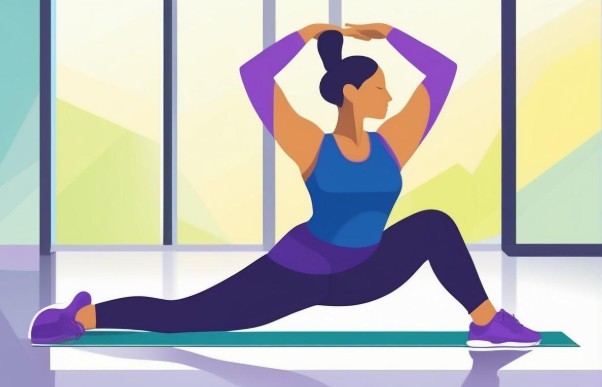
Stretching the calves and hamstrings, as well as hip flexors, can relieve tightness that might be limiting blood flow. Better mobility helps the muscles to work more effectively during workouts and daily life.
A quick stretching routine before and after exercise will keep muscles pliable and able to promote good blood flow.
The Importance of Consistency
Individual exercises may help with circulation, but their effectiveness depends in large part on consistency. Occasional activation may help with short-term outcomes, but for long-lasting vascular health, you need to move often and keep the muscle working.
- A routine that features both cardiovascular exercise and strength training also ensures continuous support to the circulatory system.
- Over time, these habits fortify the muscles that are responsible for pumping blood and enhance the body’s tendency to maintain efficient circulation.
Even small daily endeavors, like taking brief walking breaks or doing simple leg exercises, can accumulate over time to produce significant improvements in vascular health.
When Exercise Isn’t Enough Alone
While working out is important for circulation, genetic factors, hormonal changes or abiding health issues may leave some people with symptoms related to blood vessels. Professional evaluation can help you in these types of positions — to gauge the most appropriate course of action.
These vein health concerns can be effectively addressed with modern medical treatments. Using this imaging, specialists can assess a patient’s circulation and recommend treatments that reestablish normal blood flow.
However, only clinics like Taylor Vein Solutions can offer proper evaluation and treatment for people with ongoing vein health-related symptoms. Long-term vascular health is best achieved through a combination of medical treatment and lifestyle improvements.
Building a Lifestyle that Facilitates Healthy Legs
Good exercise works best alongside other healthy behaviors. Drink plenty of fluids, eat a healthy diet and avoid sitting in one place for long periods.
Those who spend long hours at their desks are helped by standing up or taking short walks during the day. They can also be helpful for those who have minor swelling or heaviness in their legs.
An awareness not only of exercise but lifestyle overall will allow for a supportive environment in maintaining vein health throughout life.
Keep At It!
The body requires good, strong circulation in order to keep the legs healthy and to function properly.
- The veins in the lower body have to work against gravity to return blood to the heart, and so they depend heavily on muscle movement and physical activity.
- Walking, cycling, strength training, yoga and stretching can all contribute to supporting circulation in their unique ways.
- Done with regularity, these activities (utswmed.org) tone the muscles that support venous blood flow — and help avoid common problems like swelling, fatigue and varicose veins.
One of the most effective ways to promote long-term vascular health is building a routine that prioritizes movement and circulation. When combined with professional help when necessary, these habits help people enjoy stronger legs, better circulation and a more active, comfortable lifestyle.