
Strength Training and Hormones: Why a Menopause Specialist Encourages Exercise in Midlife
Strength Training and Hormones: Why a Menopause Specialist Encourages Exercise in Midlife
Menopause represents one of the most significant hormonal transformations in a woman’s life.
Estrogen and progesterone levels begin to decline, altering the delicate balance that influences:
- Metabolism and eating habits
- Bone density
- Cardiovascular function
- Mood regulation
For women, lifestyles are active and longevity is among the nation’s highest, addressing these changes is crucial to maintaining vitality. A Menopause Specialist often points to strength training as a cornerstone of health, not just as a fitness routine but as a direct ally in managing hormonal transitions.
The Science Behind Strength Training
Strength training stimulates muscle fibers, improves metabolic efficiency, and triggers the release of growth hormones.
This cascade of physiological responses helps counteract the decline in muscle mass – known as sarcopenia – which accelerates during menopause.
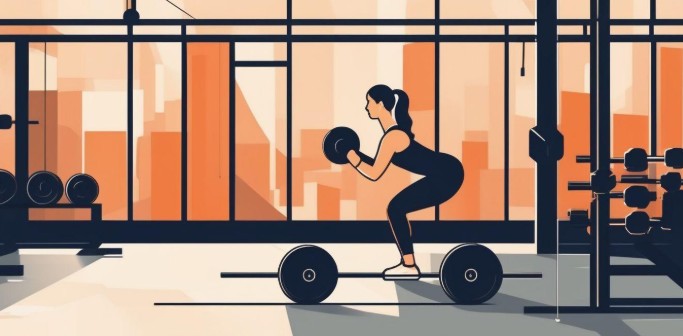
When muscle tissue is preserved or increased, it supports better glucose regulation, reduces fat accumulation, and protects against insulin resistance – women can also learn the best exercises for menopause belly to target stubborn fat effectively.
In addition, resistance-based exercise has been shown to influence cortisol, the body’s stress hormone. Regular strength sessions lower chronic stress levels, mitigating the anxiety and sleep disturbances that many women experience during menopause. Specialists emphasize that this biochemical interplay makes exercise as vital as medical therapies in managing the broader spectrum of symptoms.
Bone Health and Prevention
One of the most pressing concerns in midlife is osteoporosis. With estrogen’s protective effect diminishing, bones lose density at a faster pace. This creates vulnerability to fractures and long-term disability. A Menopause Specialist frequently underscores weight-bearing and resistance exercises as natural interventions. When bones are subjected to controlled stress, they remodel and become denser. Squats, lunges, and resistance band routines are simple yet powerful tools to strengthen skeletal integrity.
Access to community gyms… outdoor fitness parks… and wellness studios provides women with varied opportunities to engage in these practices.
By incorporating strength training, women not only build resilience against fractures but also maintain independence and mobility as they age.
Mental Health and Emotional Resilience
Menopause often brings with it changes in mood, increased irritability, and even depressive symptoms. Physical activity, particularly strength training, stimulates the release of endorphins and improves serotonin function, both of which play key roles in mood stabilization. The structured nature of strength routines fosters discipline and accomplishment, reinforcing self-confidence during a period that can feel destabilizing.
Women are finding empowerment through strength-focused group classes.
This is where social support combines with physical gains to create holistic well-being.
Specialists recognize that mental health is inseparable from physical health, and they recommend strength training as part of a broader strategy to sustain emotional resilience.
Tailored Approaches for California Women
California is a state marked by diversity in culture, climate, and lifestyle. A California Menopause Specialist adapts exercise recommendations to reflect these realities. Women in urban areas may access advanced fitness facilities, while those in rural regions may prefer home-based routines with minimal equipment. Climate also influences options, with coastal regions offering year-round opportunities for outdoor resistance exercises like hill walking or bodyweight training at the beach.
Tailoring exercise regimens ensures adherence. Specialists encourage women to start gradually, focusing on two to three sessions per week, and to increase intensity over time. The emphasis is not on competitive athletics but on sustainable strength that aligns with each individual’s health goals.
Integration with Medical Care
While strength training offers undeniable benefits, it works best when integrated with medical oversight. Before making exercise recommendations, specialists evaluate bone density scans, cardiovascular profiles, and personal health histories. For some women, combining hormone replacement therapy with structured strength training delivers optimal results. For others, non-hormonal medications paired with lifestyle adjustments may be more appropriate.
This integration of medicine and movement reflects broader healthcare philosophy:
Blending advanced medical technology with preventive and holistic strategies.
Specialists guide patients toward safe, effective routines that amplify the benefits of both medical and lifestyle interventions.
Preventive Value Across Generations
Strength training during menopause has ripple effects that extend beyond immediate symptom relief. Women who build strength in midlife set a foundation for healthier aging. They reduce the risk of falls, preserve balance, and maintain metabolic health into their seventies and beyond.
This preventive value underscores why specialists emphasize exercise not as an option but as a necessity.
Public health initiatives and wellness culture support this vision, encouraging intergenerational participation in fitness. Mothers, daughters, and granddaughters often share routines, reinforcing family bonds while promoting lifelong health habits.
The Role of Education and Awareness
Despite the evidence, many women still underestimate the importance of strength training during menopause. Educational outreach is therefore vital. Specialists are engaging in workshops, community lectures, and digital platforms to highlight the connection between hormones and exercise. Awareness campaigns are shifting the narrative from menopause as decline to menopause as transformation.
By providing clear, evidence-based information, specialists empower women to take proactive steps, even within their walking routine they can measure. Knowledge becomes the catalyst for change, encouraging consistent participation in strength-building activities.
Midlife can be a time of strength, resilience, and renewal when guided by informed strategies.
- Hormonal changes may be inevitable, but their impact can be profoundly mitigated through deliberate action.
- Strength training stands at the center of this approach, offering protection for:
- Bones
- Muscles
- Mood
- Metabolism
A Menopause Specialist advocates for exercise not simply as fitness but as medicine, a powerful adjunct to clinical care. For women across the state, embracing strength training during menopause is more than a health recommendation. It’s a pathway to thriving, ensuring that the years ahead are defined by vitality, confidence, and enduring well-being.