
Safety Standards Every Commercial Gym Should Consider
Safety Standards Every Commercial Gym Should Consider
Running a commercial gym comes with serious responsibilities. Owners and managers must protect members and staff from potential hazards every day.
A single accident can lead to lawsuits, insurance claims, or even the permanent closure of the facility.
This guide covers the basic safety standards that every commercial gym needs to implement.
From regular equipment checks to staff emergency training, these practices help prevent injuries and build member trust and their belongings. Following these standards protects the business and creates a better experience for everyone.
Regular equipment safety inspections and maintenance
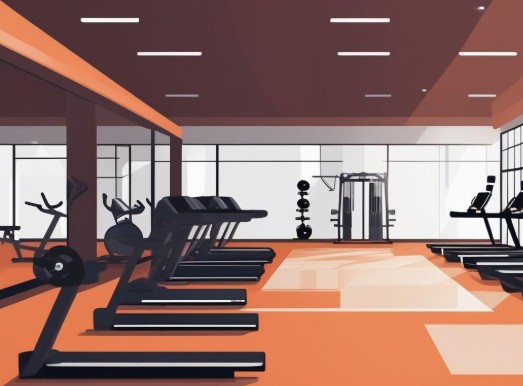
Equipment inspections need to happen on a schedule to catch problems before they become safety hazards. Daily checks should cover basic issues like loose bolts, frayed cables, and worn padding. Weekly inspections go deeper to examine moving parts, resistance systems, and electronic displays.
Monthly maintenance requires a more thorough review of all machines. This includes testing emergency stops, checking weight stacks for alignment, and verifying that cardio equipment shuts down properly. Many facilities document each inspection to track patterns and plan repairs.
Some Intenza Fitness equipment solutions include remote monitoring features that automatically alert staff to maintenance needs. These systems reduce downtime and help prevent accidents by flagging issues early.
Professional technicians should service equipment every six to twelve months, depending on usage levels. High-traffic gyms may need more frequent expert inspections. Keeping detailed maintenance logs helps facilities prove compliance with safety standards and protects members from equipment-related injuries.
Staff training on basic equipment checks is equally important. Employees should know how to spot common problems and take machines out of service when needed.
Implementation of clearly visible OSHA-compliant hazard signage
Commercial gyms must post clear safety signs to warn members and staff about potential hazards.
OSHA standard 1910.145 sets specific rules for how these signs should look and where they belong.
- Gyms can follow either the older ANSI standards from 1967-1968 or the updated 2011 versions.
- Both meet OSHA requirements.
- Signs need proper signal words like DANGER, WARNING, or CAUTION based on the level of risk. The signal word must be readable from at least five feet away.
Placement matters as much as design.
Facilities should position signs as close to the hazard as possible while keeping them visible from a safe distance. Common areas that need signage include weight rooms, wet floors, equipment with pinch points, and emergency exits.
The signs must use matching color codes with their signal words. They should state both the hazard and what action workers or members need to take. Materials need to stay readable over time despite exposure to sweat, cleaning products, and heavy use.
Routine staff training on emergency action plans (EAP)
Staff members need regular training to respond effectively during emergencies.
- OSHA requires written emergency action plans for most gyms, and all employees must know how to execute them.
- Training sessions should occur when new staff members join and at regular intervals throughout the year.
- Monthly or quarterly reviews help keep procedures fresh in everyone’s mind.
- These sessions should cover medical emergencies, fire evacuations, and facility-specific risks.
Frequent cleaning and sanitization of high-touch surfaces
Gym equipment and shared surfaces require daily cleaning to prevent the spread of germs. High-touch areas include weight machines, cardbell equipment, door handles, locker room fixtures, and water fountain buttons.
Facilities should establish a cleaning schedule that identifies which surfaces need attention and how often.
Equipment that gets used frequently throughout the day needs cleaning multiple times, not just at closing.
The type of disinfectant matters based on the surface material.
Using the wrong product can damage equipment or fail to kill germs properly.
Installation of slip-resistant flooring in workout areas
Proper installation of slip-resistant flooring requires attention to the subfloor preparation before any material goes down. The subfloor must be clean, level, and dry to guarantee the flooring adheres correctly and performs as intended.
Professional installers should verify that materials meet established safety standards for slip resistance.
This includes checking certification documents and testing results before beginning work.
The installation process varies based on the flooring type selected. Rubber tiles typically interlock or require adhesive application. Roll-out rubber flooring needs precise cutting and seaming to avoid trip hazards.

Transitions between different flooring types need special attention.
- These areas can create uneven surfaces if not properly installed.
- Metal or rubber transition strips help create smooth edges between workout zones.
After installation, facilities should allow adequate curing time for adhesives. This guarantees the flooring bonds properly and maintains its slip-resistant properties during use. Regular inspections following installation help identify any areas that need adjustment.
A Clean Gym = A Successful Gym
Safety standards in commercial gyms protect members and staff while reducing liability risks. Gym owners who implement proper equipment maintenance, staff training, and emergency protocols create a foundation for long-term success. Regular inspections and adherence to local regulations guarantee facilities meet current safety requirements. These measures build member trust and strengthen the gym’s reputation in a competitive fitness industry.