
Movement Patterns And Fitness Gains In Pickleball
Movement Patterns And Fitness Gains In Pickleball
Pickleball looks simple at first glance, but the sport blends quick footwork, rotational power, and sharp reflexes. The way you move across the non-volley zone, into the corners, and back to center shapes your performance and your fitness.
Understanding those patterns makes practice more intentional. It helps you stack steady cardio time, build leg strength, and reduce avoidable injuries as rallies get longer and faster.
What Counts As Movement In Pickleball?
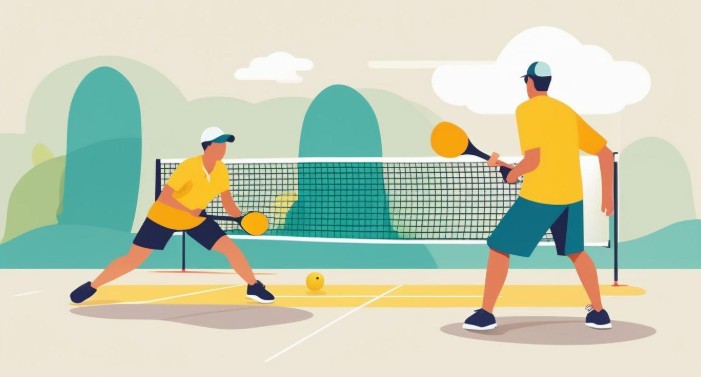
Every point starts with a split step that sets your balance. From there, you cycle through short shuffles, diagonal plants, and quick recoveries to the middle. Even without long sprints, the constant start-stop rhythm keeps your lower body engaged.
Upper body movement drives the paddle.
Shoulder rotation, forearm pronation, and wrist flexion add pace and spin, while your trunk resists or redirects force.
That full chain keeps rallies efficient and protects small joints.
Add in micro moves that rarely get named. Tiny hops buy time, staggered stances create space for dinks, and soft decelerations prevent overruns at the kitchen line. These details turn chaos into control.
Locomotion Patterns You Use Most
Short shuffles are your bread and butter. They let you cover a step or two without crossing feet, so you stay stacked and ready to hit. Crossovers come next when a ball pulls you wider than a shuffle can manage.
If you are new, keep patterns simple and repeatable. Plan where you will drill and search for ‘pickleball court near me’ when you map early sessions, then practice moving in and out of the kitchen with purpose. Build comfort recovering to neutral after every shot.
Backward movement deserves respect. Retreat with quick, small steps instead of leaning or backpedaling in long strides. When the lob goes up, pivot and run to turn your hips rather than drifting straight back.
How These Patterns Drive Fitness Gains
The pace of doubles keeps you in moderate to vigorous zones for long stretches.
A health report noted that players often rack up thousands of extra daily steps on play days and spend well over an hour with elevated heart rates. That steady dose of cardio adds up week by week.
Footwork patterns create functional leg strength.
Repeated lateral shuffles load the glutes and quads, while soft landings train your calves and ankles to absorb force. Those muscles support better balance and quicker first steps.
Core rotation links power from the ground to the paddle. Clean sequencing improves shot quality without muscling every ball. As timing improves, you get more work from less effort, which extends rallies and boosts total training time.
Common Errors That Raise Risk
Two movements tend to cause problems when fatigue sets in. Lunging too far can yank you off balance, and drifting straight backward invites awkward falls. A sports physical therapy study found that many recreational players reported falls tied to lunging and moving backward, with some players falling more than once in a season.
Skill work can fix both issues. Swap overreaching lunges for two quick shuffles, and bend from the hips and knees so your torso stays tall.
When a ball floats long, pivot to run instead of backpedaling.
Set guardrails for late-game focus. Call out footwork cues before each serve, like split step, read, shuffle, and recover. Small reminders keep patterns clean when rallies get messy.
Eye Safety And Spatial Awareness
Fast exchanges happen at arm’s length, which means misreads can turn into eye injuries.
A news analysis using national surveillance data highlighted a sharp rise in pickleball-related eye trauma in the last few years, noting that most recorded cases fell in the most recent period. That trend underscores the value of simple protective habits.
Train your gaze like a skill. Track the ball off the opponent’s paddle, not mid-flight, and widen your visual field to catch partners and court lines.
Soft focus helps you react while staying aware of traffic near the kitchen.
Protective eyewear is a smart add. Lightweight lenses designed for racket sports can deflect mishits without fogging. Build the habit in drills first so it feels natural during games.
Turning Matches Into Training Sessions
Warm-ups should mirror how you move in points. Start with ankle rocks, hip hinges, and brisk shuffles, then add mini hops and split steps. Finish with a few controlled dinks and volleys to link footwork with hands.
Use simple intervals to structure open play.
For 10 minutes, aim for three shot patterns like dink, dink, third shot drop, then reset. Between rallies, recover to the center and square your stance before the next serve.
Cooldowns matter after hard nights.
Walk two easy laps, add calf and hip flexor stretches, and finish with a few slow bodyweight squats. You will leave fresher for the next session.
Pickleball rewards the economy of movement. When you master short shuffles, clean pivots, and balanced recoveries, rallies feel smoother and more fun. Fitness gains become the byproduct of better habits.
Build your week around patterns. With smart footwork, eyes up, and steady effort, you will stack cardio time, protect your joints, and still have energy for the last rally of the night.