
A Guide to Recognizing Mental Struggles as a Fitness Enthusiast
A Guide to Recognizing Mental Struggles as a Fitness Enthusiast
Mental health has become an important topic in the fitness community, amplifying conversations about how emotional and psychological states impact physical performance and well-being.
Even though the image of strength and resilience is often associated with fitness fanatics, many struggle internally with various mental health issues.
Acknowledging these challenges is important, as it allows individuals to seek help and establish healthier habits. This guide will help fitness fanatics recognize and address mental struggles, guaranteeing that physical health doesn’t eclipse mental well-being.
Understanding Mental Health in Fitness
Mental health in the context of fitness encompasses a range of emotional, psychological, and social well-being factors that influence how individuals think, act, and feel.
- Poor mental health can directly affect motivation levels, energy, and the ability to work out.
- High expectations, competitive pressure, and unrealistic body standards can contribute to anxiety and depression among those involved in high-intensity fitness activities.
- Fitness fanatics need to cultivate a positive mental state alongside their physical training.
- Regularly assessing one’s emotional and psychological status can play a proactive role in identifying potential mental health risks.
Understanding when to seek help is important. Many practitioners may find that ongoing self-care practices, such as mindfulness and relaxation techniques, can help maintain a stable mental state.
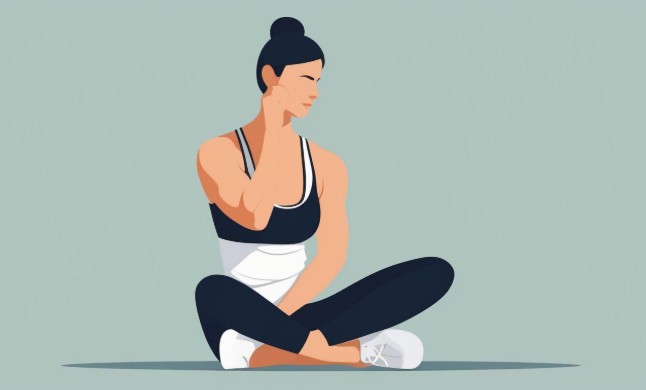
Fitness professionals and peers bear the responsibility to create an inclusive environment that supports mental health awareness.
The Importance of Seeking Professional Help
Seeking professional help should not be stigmatized; it’s a proactive choice for health and recovery.
Mental health professionals welcome individuals from all backgrounds, including fitness fanatics who experience various emotional challenges. Approaching experts can lead to personalized treatment plans that address specific concerns or struggles.
Therapists can provide coping strategies and tools tailored to managing life’s pressures, helping individuals regain a sense of control. Some may find group therapy, which incorporates others facing similar challenges, valuable in providing support and developing community solidarity.
Many community resources target mental health treatment for fitness professionals and fanatics. Whether you need mental health treatment orange county, Day County, or anywhere else, there are abundant options available to assist individuals during their journey. Finding the right professional can lead to breakthroughs and recovery methods tailored to an individual’s unique experiences.
Professional intervention helps prevent the escalation of untreated mental health concerns. Regular therapy sessions can promote consistency, accountability, and gradual progress toward recovery goals.
Seeking help empowers individuals to break cycles of burnout or self-doubt often linked with high-performance lifestyles.
Common Mental Struggles for Fitness Fanatics
Fitness fanatics may experience various mental health struggles. Common issues include anxiety, depression, body dysmorphia, and performance pressure. Many believe that continual physical training leads to robust mental health, but the reality can differ greatly.
The competitive nature of fitness can provoke anxieties about performance and appearance, leading to burnout or disengagement.
Body image issues can arise when unrealistic standards dominate social media and fitness platforms, creating feelings of inadequacy for many individuals.
Performance pressure – whether self-imposed or external – pushes individuals to ignore their mental limitations, risking deterioration in both physical and mental health.
Acknowledging these mental struggles is the first step toward seeking appropriate help. Awareness facilitates early conversations about experiences and feelings, allowing individuals to connect with professionals who can provide useful resources.
Engaging in support groups or therapy focused on fitness-related mental health can provide additional comfort and understanding.
Recognizing the Signs of Burnout
Burnout in fitness revolves around physical, emotional, and mental exhaustion that results from prolonged stress. This state is often marked by symptoms like:
- Persistent fatigue
- Diminished interest in workouts
- Irritability
- Unrealistic expectations of oneself
- Lack of satisfaction
Fitness fanatics need to recognize these signs to effectively manage their well-being. One should differentiate between tiredness that results from an intense workout regimen and burnout that impacts various aspects of life.
A coach or workout partner may serve as a valuable resource for improving accountability and honesty in recognizing burnout symptoms.
If someone suspects they are experiencing burnout, it may be helpful to reassess their training schedules, rest periods, and stress management strategies. Taking time off to recuperate can often rejuvenate the physical body and bring clarity to mental hurdles.
Creating a Supportive Environment
Building a supportive environment for fitness fanatics can significantly influence their mental well-being. Open conversations about mental health and education on coping strategies promote a healthy culture within fitness communities.
Organizations and trainers should facilitate workshops and training sessions addressing both physical and mental fitness.
Another factor to think about is the language surrounding mental health.
Encouraging positive dialogue reduces stigma and increases the likelihood that individuals will seek help when necessary.
Personal experiences can inspire change and develop an inclusive community that embraces mental well-being. Schedules should incorporate relaxation and recovery days that focus on mental health improvement rather than solely physical gains.
Your Mental Health Journey
Your mental health journey as a fitness fanatic is unique and ever-evolving. Three points to keep in mind:
- Maintaining a balance between physical stamina, motivation and mental well-being is possible with consistent self-reflection and support from various channels.
- Practice self-acceptance to cultivate a healthy body image according to UC Berkeley and realistic performance expectations.
- Regularly checking in on mental health and being open to seeking help can prevent struggles from escalating.
Setting achievable goals that prioritize both physical and mental health encourages progress without unnecessary stress. Fitness continues to be a remarkable outlet for challenge and growth, but it should never compromise one’s mental stability.