
Legal Rights of Slip and Fall Accident Victims
Legal Rights of Slip and Fall Accident Victims
Were you hurt in a slip and fall accident that wasn’t your fault?
Thousands of people each year suffer serious injuries after slipping and falling.
The good news is…
Slip and fall accident victims have rights that allow them to pursue recovery of compensation to pay for their injuries, medical bills, lost wages, and more.
Let’s take a closer look…
What You’ll Learn:
- What Are Slip and Fall Legal Rights?
- Proving Negligence in a Slip and Fall Accident Claim
- Types of Compensation Available for Slip and Fall Accident Victims
- What Property Owners Must Do to Prevent Accidents
- Protecting Your Claim: What to Do After a Slip and Fall Accident
- Comparative Negligence Explained
- Time Limits
What Are Slip and Fall Legal Rights?
Slip and fall accidents are governed by what’s known as premises liability law.
Property owners are responsible for injuries that occur on their property as a result of their negligence.
Here’s what that means…
If someone is hurt on your property because it wasn’t reasonably safe, you can be held legally liable for the resulting injuries.
The rules apply to anyone owning property. Store owners, restaurant owners, office building landlords, apartment complex managers, hotel operators, and private homeowners all have to maintain safe environments.
Someone who slips and falls because of an unsafe condition on that property may be able to make a claim or file a lawsuit to recover damages.
But again, it has to be proven that the owner was negligent in some way.
If you were injured in an accident, reach out to a slip and fall attorney to see what legal options you have. To learn more about how a Charlotte slip and fall attorney can protect your rights, click here.
Proving Negligence in a Slip and Fall Accident Claim
If you file a premises liability claim or lawsuit for your slip and fall accident…
You will have to prove that the property owner was negligent in order to recover compensation.
Negligence is established by proving four elements. The property owner owed a duty of care to the person injured. They breached their duty of care by allowing a dangerous condition to exist. That dangerous condition caused the accident to occur. And the victim suffered damages as a result of their fall.
Conditions that are considered unsafe may include things like wet or slippery floors, uneven pavement, cluttered walkways, torn carpets, stairs that are in disrepair, inadequate lighting, uneven steps, and more.
Negligence Can Be Tough to Prove
Property owners will often try to argue that they didn’t know the dangerous condition existed.
They may also claim that you should have known about it yourself. For this reason, it’s important to gather as much evidence as possible from the scene of the accident while it’s fresh.
Types of Compensation Available for Slip and Fall Accident Victims
Slip and fall victims may be able to recover several types of damages.
Damages can include compensation for your:
- Medical bills and expenses
- Lost wages from time missed at work
- Pain and suffering
- Emotional trauma
- Disability
- And more…
Victims can recover economic damages to cover tangible losses like cost of treatment, lost time from work, and medical devices needed for the injury.
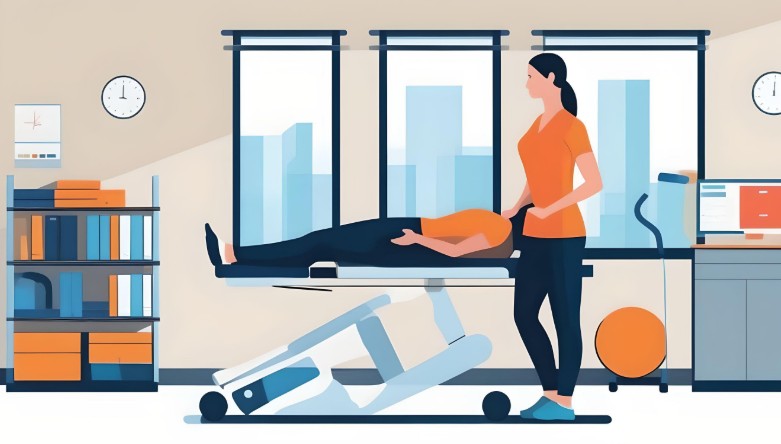
Non-economic damages include pain and suffering, loss of enjoyment of life, mental anguish, and physical scarring. The medical care can add up.
What Property Owners Must Do to Prevent Accidents
Maintaining your property isn’t just being courteous. Property owners are legally obligated to abide by these safety rules.
Failure to do so can result in liability for any accidents that occur.
These duties include:
- Inspecting the property for hazards
- Fixing hazards in a reasonable amount of time
- Warning visitors about known dangers
- Providing adequate lighting
- Keeping walkways clear of debris
Reasonable care must be used to prevent slip and fall accidents from occurring.
If an owner neglects these duties and someone gets hurt… they can be held financially responsible for the injury because they breached their duty of care.
Protecting Your Claim: What to Do After a Slip and Fall Accident
Some of the most important steps you can take after a slip and fall occur revolve around gathering evidence.
It’s easy for things to disappear over time, which is why you should…
Act Quickly
As soon as the accident happens, take pictures of the area where you fell.
Get names and phone numbers from witnesses who might have seen what happened. Report the accident to the owner, manager, or landlord. And if you haven’t already, seek medical treatment (especially if it’s your head) and keep records of any doctor visits.
Preserve the clothes you were wearing when the accident happened as well as the shoes.
All of these actions will ensure you have compelling evidence to support your claim that the property owner was negligent.
Comparative Negligence Explained
Did you know…
You may still be able to recover compensation even if you were partially at fault for the accident.
Comparative negligence states that if you were partially to blame for your own injuries, your settlement will be reduced by a percentage equal to your fault.
So, if you are found to be 20% responsible for falling, any compensation awarded will be reduced by 20%.
Some states don’t allow you to recover damages if you are found more than 50% responsible for causing the accident.
Time Limits
You don’t have unlimited time to file a slip and fall accident claim or lawsuit.
Each state has statutes of limitations that dictate how long you have to file your case in court.
For example, most states allow between 1-3 years from the date of the accident to file a claim.
If you don’t file within that time frame, you lose your right to sue forever.
Some states even require you to provide notice to government entities within 6 months of the accident.
Wrapping It Up
Slip and fall injuries can change your life.
Along with substantial medical bills come loss of income, long-term pain and suffering, and possible disability. If you’re forced to miss work while you recover… You may find yourself falling behind on bills or even losing your job.
You shouldn’t have to bear the financial burden of someone else’s negligence.
Property owners have a duty to maintain safe conditions on their premises. When they fail to do so and someone gets hurt… they should be held accountable for their actions.
Key Points to Remember:
- Property owners are liable for accidents caused by their negligence
- Negligence must be proven in order to win your case
- Numerous types of compensation are available to victims
- Collecting evidence after your accident is key
- You only have a limited amount of time to file a claim