
Is Cycling Good for Weight Loss?
Is Cycling Good for Weight Loss?
Cycling is one of the best low-impact exercises for weight loss. Whether you ride outdoors, commute to work, or use a stationary bike at home or in the gym, cycling helps burn calories, improve cardiovascular health, and build muscle endurance. It is suitable for beginners and experienced fitness enthusiasts alike because you can easily adjust the intensity and duration of your rides.
Unlike some high-impact workouts, cycling is gentler on the joints while still delivering excellent fat-burning benefits. Consistent cycling combined with a balanced diet can help create the calorie deficit needed for sustainable weight loss.
How Cycling Helps You Lose Weight
Cycling supports weight loss in several ways beyond simply burning calories.
Burns Calories Efficiently
Cycling can burn a significant number of calories depending on your speed, intensity, body weight, and riding conditions. A moderate cycling session can burn anywhere from 400 to 700 calories per hour. Higher-intensity rides or uphill cycling may burn even more.
The more consistently you ride, the more energy your body uses, which contributes to fat loss over time.
Increases Metabolism
Regular cycling helps improve your metabolism. After intense rides, your body continues burning calories even while resting, a process often called the afterburn effect. This helps support long-term weight management.
Builds Lean Muscle
Cycling strengthens the legs, glutes, and core muscles. Building lean muscle mass can increase your resting metabolic rate, meaning your body burns more calories throughout the day even when you are not exercising.
Is Cycling Better Than Walking for Weight Loss?
Both walking and cycling are excellent forms of exercise, but cycling generally burns more calories in less time. Because cycling allows for higher speeds and resistance levels, it can provide a more intense cardiovascular workout.
However, the best exercise is the one you can perform consistently. Some people prefer cycling because it feels more enjoyable and less repetitive than walking or running.
Tricycle vs Bicycle for Weight Loss
Both tricycles and bicycles can support weight loss, but they offer different riding experiences. Traditional bicycles are generally faster and require more balance, which can help engage additional muscles and burn more calories during intense rides. A tricycle, on the other hand, provides greater stability and comfort, making it an excellent choice for seniors, beginners, or people with balance issues. While a tricycle may not always provide the same high-speed workout as a bicycle, it still offers effective cardiovascular exercise that helps burn calories, improve endurance, and support long-term fat loss. The best option depends on your fitness level, comfort, and how consistently you ride.
How Often Should You Cycle to Lose Weight?
Consistency is the key to seeing results. Beginners can start with 30-minute rides three to four times per week. As endurance improves, longer rides or additional sessions can help increase calorie burn.
Recommended Weekly Cycling Routine
Beginner Level
- 3 rides per week
- 20 to 30 minutes per ride
- Moderate pace
Intermediate Level
- 4 to 5 rides per week
- 45 to 60 minutes per ride
- Mix of steady rides and interval training
Advanced Level
- 5 to 6 rides per week
- Longer endurance rides
- High-intensity interval sessions
Does Indoor Cycling Help With Weight Loss?
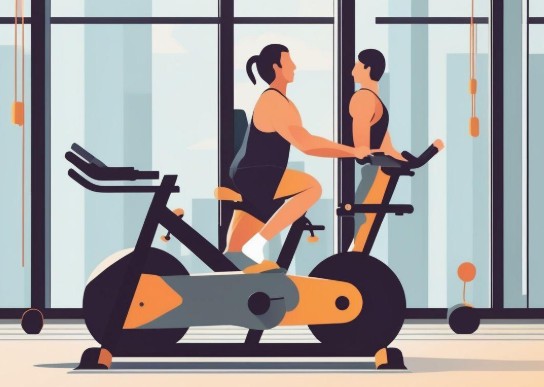
Yes, indoor cycling can be highly effective for weight loss. Stationary bikes and spin classes provide controlled workouts that can be tailored to different fitness levels. For those just starting out, a beginner spinning guide can make your first spin class feel more approachable and less intimidating.
Indoor cycling is especially convenient because weather and traffic are not factors. Many people also find it easier to maintain consistent workouts at home or in a gym environment.
Best Cycling Tips for Fat Loss
Making small adjustments to your routine can improve your weight loss results.
Combine Cycling With Healthy Eating
Exercise alone may not lead to major weight loss if calorie intake remains too high. Eating balanced meals with enough protein, vegetables, healthy fats, and whole grains helps support fat loss and recovery.
Try Interval Training
High-intensity interval training (HIIT) on a bike alternates short bursts of intense effort with recovery periods. This style of training can burn more calories in less time and improve cardiovascular fitness.
Stay Consistent
Weight loss takes time. Regular cycling over weeks and months is more effective than occasional intense workouts.
Increase Daily Activity
Using a bicycle for commuting, errands, or casual rides can help increase your overall daily calorie expenditure without feeling like structured exercise.
Is Cycling Good for Belly Fat?
Cycling can help reduce overall body fat, including belly fat, when combined with proper nutrition and regular exercise. While spot reduction is not possible, consistent cardio exercise like cycling helps lower total body fat percentage over time.
Higher-intensity cycling workouts may be especially effective for reducing abdominal fat when paired with a healthy lifestyle.
Common Mistakes That Slow Weight Loss
Riding Too Comfortably
Easy rides are good for recovery, but constantly riding at a low intensity may limit calorie burn. Mixing moderate and challenging rides often produces better results.
Ignoring Nutrition
Cycling does not automatically offset unhealthy eating habits. Sugary drinks and high-calorie snacks can quickly replace the calories burned during rides.
Not Getting Enough Recovery
Rest is important for muscle recovery and performance. Overtraining can lead to fatigue, poor motivation, and slower progress.
Dropping Pounds on the Bike
Cycling is an excellent exercise for weight loss because it burns calories, improves fitness, and supports long-term health. It is low-impact, adaptable to different fitness levels, and easy to incorporate into daily life. Whether you choose outdoor rides, commuting, or indoor cycling sessions, staying consistent and combining exercise with healthy eating habits can help you achieve sustainable weight loss results.