
How to Use a Pace Calculator for Triathlon Success
How to Use a Pace Calculator for Triathlon Success
A triathlon plan often looks fine on paper, then falls apart once the clock starts moving. The swim feels crowded, the bike feels fast, and the run feels longer than expected. Many athletes do not fail from effort, they fail from pacing guesswork. A pace calculator helps turn a rough goal into numbers you can practice.
In gyms, treadmills, rowers, and smart bikes already track time and distance every session. The missing step is translating those sessions into race splits you can trust. That is where SwimBikeRun.rocks performance calculators can help you map swim, bike, and run paces. Used well, a calculator becomes a planning tool, not a prediction machine.
What Pace Really Means In A Three Sport Race
Pace is a promise you make to your future self, then try to keep under stress.
In triathlon, the promise must survive a changing body and changing conditions. Your swim pace affects bike power, and bike effort shapes your run stride. One fast section can steal minutes later.
- A useful pace number reflects your current fitness, not your best day last season.
- It should match how you train most weeks, not how you feel once a month.
- Coaches like pace because it scales with distance and keeps effort steady.
- Athletes like pace because it gives them a simple check during chaos.
- Transition time also changes how pace feels, even if it is not part of swim speed.
- Standing up after the swim can spike heart rate and tighten calves fast.
Add time for gear, crowds, and small mistakes that happen in real races. A calculator works best when you include those plain frictions in your plan.
Heat, humidity, and water temperature can also shift pace more than many people expect. A warm run course can push heart rate higher at the same speed. If you want a clear guide on heat strain signs, the CDC heat stress pages are a solid reference. Use them to plan cooling, fluids, and pacing adjustments without guessing.
Build Baseline Paces You Can Repeat In Training
Start with recent workouts that you can repeat without a big taper or perfect sleep. For the swim, use a steady set like 10 x 100 with short rests. For the bike, use a sustained interval like twenty minutes at controlled effort. For the run, use a steady thirty minute effort on a flat route.
Record times, distance, and how the effort felt at the end, not at minute five. A baseline pace should feel firm yet controlled, with breathing that stays steady. If you train indoors, keep the setup consistent, including fan use and resistance level. Consistency makes the pace more reliable than any single “great” session.
Once you have baselines, plug them into a calculator and check the implied race splits. If the totals look far from your recent training volume, adjust the goal. A small change in pace can add up to a large change by the finish line. That is normal, and it is why numbers help.
Use Split Targets To Plan Effort, Not Chase Speed
After you have splits, decide what each segment should feel like on a simple scale.
Many athletes use a one to ten effort rating that stays honest. The swim may sit around six, the bike around seven, and the run starts at seven. The last kilometers can rise if form stays clean.
On the bike, pace is not always speed, because wind and hills rewrite speed quickly.
If you have a power meter, pair pace planning with power caps for climbs. Without power, use cadence and breathing as checks during hard sections. Your job is to keep the bike from stealing your run.
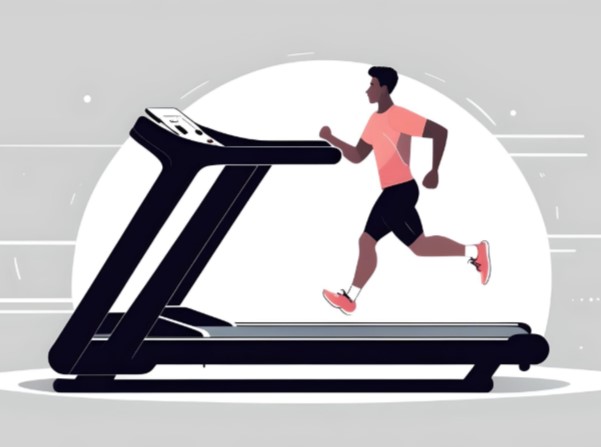
A training plan can use those split targets as guardrails during common sessions. Use steady bricks to practice bike control, then run form while slightly tired. Use treadmill runs to practice holding goal run pace with even breathing. When you test, hold pace by feel first, then confirm with the screen.
Make Race Day Decisions With Simple Checks
Race mornings come with nerves, noise, and last minute surprises near the start line.
A written pace plan cuts through that noise when your brain feels busy. Keep it short enough to read while standing and waiting. If it takes a minute to read, it is too long.
During the swim, use time checkpoints rather than trying to calculate every stroke. If your watch shows splits, compare them to the plan every few minutes. If you are off pace early, correct gently, not with a sudden sprint. Sudden surges often cost more than they give.
On the bike and run, use a few simple checks that do not depend on perfect GPS. Here are examples that work for many athletes across race distances:
- Check breathing every five minutes, and slow down if it feels sharp or ragged.
- Check form every mile or kilometer, and relax shoulders before you chase speed.
- Check fuel timing on the bike, so the run does not start with an empty tank.
Common Pace Mistakes That Show Up In Gyms Too
The first mistake is treating pace as a dare instead of a guide.
In a gym, it shows up as starting a treadmill run too fast. In a triathlon, it shows up as leaving transition like you are late for work.
The fix is simple, plan the first ten minutes as controlled, even if you feel great.
The second mistake is using a “best ever” pace as the baseline, then feeling crushed on race day. A better baseline comes from repeatable sessions during normal weeks. If you want a plain summary of how much activity adults need, MedlinePlus is an easy starting point. It can help you judge if your weekly load matches your race goal.
The third mistake is ignoring the pace cost of poor fueling and poor sleep. A missed gel can feel like a sudden wall on the run. A short night can raise heart rate at the same pace, even in cool weather. Treat sleep and fuel as part of pacing, because they set the ceiling on your effort.
A pace calculator can help, but it cannot replace honest feedback from training logs.
When paces drift, ask why, not “how do I force it.” Sometimes the answer is a rest day, more fluids, or a lighter bike early.
A calm plan often beats a brave plan.
Your best use of a pace calculator is simple: build baselines, map splits, and practice the feel. Put the plan on one card, then check it at calm moments during the race. If conditions change, adjust smoothly and keep form steady. That approach keeps your effort consistent, and your finish time usually follows.