
Best Gym Equipment and Low-Impact Exercises for People with Varicose Veins
Best Gym Equipment and Low-Impact Exercises for People with Varicose Veins
Many people want to keep up their activity level, but find their legs hurt, swell or feel heavy during a workout because of varicose veins. Though exercise is known to be beneficial for good circulation, not all gym exercises or machines are ideal for people with vein disorders. Finding the correct kind of training method can mean the difference between promoting vein health and aggravating them without meaning to. Thankfully, the latest fitness gear and low-impact workout methods allow you to keep fit without risking injury to the legs or impairing healthy blood flow.
Learning how exercise impacts circulation is the first step toward developing a safe and effective workout schedule for those who suffer from varicose veins.
What are Varicose Veins and Exercise Restrictions?
Varicose veins result when valves inside the veins weaken, allowing blood to pool instead of circulating properly toward the heart. This problem is typically the result of genetics, extended periods of standing or sitting, aging, pregnancy and lifestyle habits.
Exercise is very important in the management of symptoms as it triggers calf muscles, and acts like a natural pump to facilitate venous return, as long as you avoid over-working.
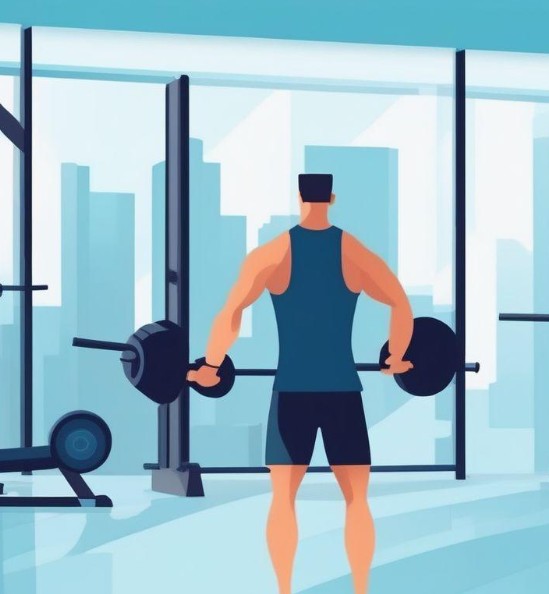
But things like the force of jumping (and working out on your legs in general) can raise pressure in your veins. Heavy lifting, rapid impact, or exercises that require sustained static positions can exacerbate pain if they are not managed with caution.
That’s why choosing the right gym equipment and movement patterns is necessary when it comes to long-term vein health.
Why Low-Impact Fitness Is Best for Your Vein Health
Low-impact workouts involve more muscle engagement and cardiovascular workout at the same time they are easy on your veins and joints. They promote smooth blood flows that never rise too quickly, so they are ideal for those suffering from varicose veins.
Unlike high-impact exercises that require jumping or use of explosive energy, low impact training aids circulation in a controlled and consistent manner. This method of treatment can reduce swelling, alleviate fatigue and enhance endurance regardless without causing any discomfort. When done in conjunction with good breathing and posture, low-impact exercises may be an effective way to keep in shape — and keep your veins in shape too.
Treadmills and Walking-Based Training
One of the best workouts for improving circulation in the lower extremities is walking, and a treadmill offers a very controlled place to keep that motion constant. “Walking on a treadmill at a moderate intensity activates the calf muscles, which prevents venous blood from pooling in your lower extremities.”
Gentle incline walking also can be used to work the muscles of the lower leg without a lot of pounding. The trick is not to do any running or sudden surge of pace that may add strain. Treadmills having shock absorption system can be very helpful for the treadmill users as it lowers the strain over legs and joints by ensuring a smoother stride.
Elliptical Machines for Heart-healthy, Low-influence Exercise
One of the best gym for people with varicose veins is considered to be elliptical machines. The fluid movement reduces joint impact and keeps legs in perpetual motion, aiding circulation. Since the feet never securely come off the pedals, there is rarely any jarring or downward impact as in jumping exercises and occasional jogging.
Adjustments to resistance levels on ellipticals make it easier for users to focus more on endurance and less on stress, as well. Comfortable and lasting The amazing flexibility of this material allows you to experience less fatigue during any exercise.
Stationary Bikes and Recumbent Cycling
Riding a bike is also a great low-impact exercise that gets your legs moving without straining your veins. You can keep a constant pace on stationary bikes that helps the flow of blood to stay consistent and decrease swelling pack hanging traps.
Recumbent bikes can even be a great option for those who have pain in the back or neck, since they are sitting lower to the ground and as such do not need to reach upwards as much. It supports the lower back and takes pressure off the legs, even though when pedalling your calf and thigh muscles are still kicking into action.
This also is what makes cycling a feasible for longer periods of exercise time with no fatigue.
Rowing Machines and Full-Body Engagement
Rowing machines provide a full-body cardiovascular workout that is also incredibly easy on the joints.
The sitting position and the natural sliding motion work the legs without breading the veins.
Rowing also involves rhythmic leg movements and increases circulation of the body so if done properly. It is also an excellent workout for your core and upper body, which makes it a balanced selection for those who are looking to mix up their routine without neglecting your veins.
Strength Training with Controlled Resistance
And like we told you, strength training is not completely off the table — with some caveats. Generally machines that offer guided movement and adjustable resistance are safer than free weights for people with varicose veins. I prefer that tension can control the strength of resistance and will not cause muscle stress due to excessive force or pressure.
3 – Moderate Weight, High Reps The type of exercise for the 8mm wide band that provide mechanical advantage and greater blood flow over brute strength. Proper breathing while performing resistance training is also important given that breath-holding may elevate venous pressure in the legs.
Circulatory Support through Stretching and Mobility
Stretching is an underrated contributor to the process of vein health. Light movement exercises help stiffness, promote flexibility and increase blood circulation to the legs. Strutting stance Tall, confident posture even when running can help you breathe easier and overall body movement refreshingly free.
Adding mobility-based training to your fitness routine can ensure you don’t end up with tight muscles that restrict blood flow.
The act of stretching is particularly helpful after working out at the gym, as it enables your body to go back to a relaxed state and helps alleviate post-workout swelling.
The Value of Experience Care With Vein Professionals
Although exercise and fitness equipment can reduce symptoms, it cannot take the place of medical evaluation of varicose veins that remains painful or swollen or have visible changes to their appearance. Professional support makes it possible for individuals to comprehend the magnitude of their condition and get useful treatment options.
Those suffering ongoing pain may find relief through a specialized provider, like a Vein Clinic in Frisco, where state-of-the-art diagnostic tools and contemporary treatment methods can both treat the issues associated with veins while promoting an active lifestyle. Putting professional care and smart exercise choices together usually results in better long-term benefits.
Creating a Sustainable Fitness Routine
More important than intensity is consistency for those withvaricose veins.
Small amounts of exercise done fairly often to keep you on the go all day can be healthier than sitting all day and doing your weekly intense workouts. Keeping active helps prevent blood from settling in the legs and promotes good overall cardiovascular health.”
Listening to the body is important. If you experience discomfort, heaviness or swelling while exercising it’s probably a sign to ease up the level and intensity of your workout or equipment. A healthy regimen can ensure that physical exertion is complemented by sufficient replenishment, hydration and recovery.
One More Thing…
Exercising with Varicose Veins is not only doable but extremely beneficial when done right. Selecting the right gym equipment and low-impact exercises can help improve circulation, ease discomfort, and provide overall fitness benefits.
Treadmills, ellipticals, stationary bikes and rowing machines are great alternatives to keep you moving, but without the added stress.
Through the use of stretching, strength and conditioning exercises and professional advice these exercises help individuals to manage kinetics energy in their veins by adopting an active lifestyle that will not lead to varicose vein formation. Fitness should never feel like something that you can’t do, and people who deal with varicose veins can train confidently without pain or discomfort. For those who want to stay informed about wellness, lifestyle trends, and expert-backed insights that support smarter health decisions, you can learn more through trusted digital resources and publications.