
How Gait Analysis Can Improve Form and Reduce Injury Risk
How Gait Analysis Can Improve Form and Reduce Injury Risk
You’ve changed shoes, added rest days, and tried tips from running podcasts. Your knee still hurts at mile three. A structured look at how you move can be more useful than another guess because it turns vague discomfort into one or two specific changes to test.
That is the practical promise of gait analysis. It will not give you a flawless stride. Hospital for Special Surgery says plainly that there is no single perfect running form. The goal is to improve mechanics for your body rather than force you into a template. A good assessment surfaces high-value tweaks, such as a cadence nudge or slight trunk lean, that can make running feel smoother and spread load more evenly.
This guide covers what gait analysis measures, which tools matter, how to turn results into small changes, and when to bring a clinician into the picture.
What Gait Analysis Is, and What It Is Not
Gait analysis is a structured look at how you walk or run through one full movement cycle: the time your foot is on the ground and the time it is in the air. Running differs from walking because a flight phase changes how force travels through your body on each landing.
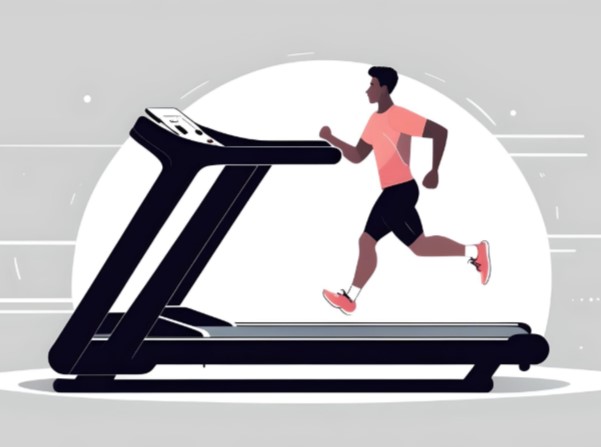
It helps to separate two experiences with the same name. A quick shoe-store treadmill video is a screening tool that can help with shoe selection. It is not the same as a full clinical or performance assessment that reviews joints, alignment, and timing. Gait analysis can guide training changes and flag when to seek help, but it does not replace professional diagnosis or treatment.
What a Modern Session Looks Like
A thorough session usually starts with a short conversation about training history, goals, injuries, and symptoms. That context shapes what the assessor looks for. From there, expect posture and mobility checks, such as ankle movement or hip control during a single-leg task.
The core of the session is filmed running, either on a treadmill or overground, from the front, side, and rear. Afterward, you get a report. According to Hospital for Special Surgery, typical metrics include cadence, ground contact time, vertical oscillation, joint angles, and trunk alignment. These numbers are read together to spot patterns worth adjusting.
Tools That Power a Modern Gait Assessment
Three broad categories of tools show up in gait work, and each answers a different question.
Video and Markerless Systems
Camera-based systems show how your body moves. Markerless setups rebuild three-dimensional movement from synchronized video without placing markers on your skin. Theia3D is one example; it uses multiple cameras to create a 3D picture of movement from video alone. Even a small capture area may need several synchronized cameras, which is why these systems are more common in labs and performance centers than in homes.
If you are comparing options, this vendor guide to Gait analysis outlines what to check for in workflow, validation evidence, and data export, which can help you ask better questions before you book a session. One 2026 systematic review reported that Theia3D showed excellent validity and strong session-to-session reliability for several spatiotemporal gait measures, while noting that methods still need more standardization.
Wearable Sensors
Inertial measurement units, the small motion sensors found in watches and clip-on pods, are portable and can travel with you on the road. They are useful for tracking trends over time, but a 2025 systematic review found step-length data was more variable, so wearables are not a full substitute for lab-grade measurement.
Force Plates and Instrumented Treadmills
If the question involves how hard you hit the ground or how much load your joints absorb, you need force-measuring hardware. Ground reaction forces and joint moments require equipment such as force plates or instrumented treadmills. In-shoe pressure sensors can add useful information, but they are not full substitutes for that hardware.
Treadmill Versus Outdoor Mechanics
People often ask whether treadmill footage reflects how they run outside. A 2026 meta-analysis concluded that treadmill and overground running are largely comparable overall, but some differences can matter. Match the treadmill speed and surface feel to your usual easy pace, and if you can, add a short outdoor clip filmed from the side.
From Data to Action: Four High-Yield Tweaks
The value of an assessment is in what you change afterward. These four adjustments come up often because they are simple to trial and well studied. Change one at a time, and give each a couple of weeks before judging it.
1. Nudge Your Step Rate
Increasing cadence can spread load and reduce stress at the knee. In a randomized trial of runners with kneecap pain, one group increased step rate by roughly 7.5 to 10 percent using a metronome. To try it, set a metronome to 5 to 10 percent above your current cadence, test short easy intervals, and keep changes modest.
2. Check Your Step Width
On rear-view footage, look for a crossover pattern where your feet land close to a single line, as if on a tightrope. A helpful cue is to run on two parallel tracks rather than one line. Slightly wider foot placement can ease strain on the outside of the hip and knee.
3. Try a Slight Trunk Lean
A small forward lean from the ankles, not a hunch from the waist, can reduce load at the knee. Practice with a wall-march drill, leaning your whole body forward from the ankles while driving one knee up. The change should feel subtle.
4. Land More Quietly
In the same trial of runners with kneecap pain, another group used real-time feedback to reduce shin-bone acceleration, meaning they were cued to run softer. You can borrow the idea without lab gear: focus on quieter, lighter landings for short stretches.

A Self-Check You Can Do at Home
You do not need a lab to learn something useful. Set a phone on a tripod and film 20 to 30 seconds of easy running from the side, then from the rear.
- Side view: Does your foot land roughly under your knee rather than reaching far in front? Is your vertical bounce modest?
- Rear view: Does your pelvis stay reasonably level, or does one side drop sharply? Does your knee track over the middle of your foot?
Treat this as a rough gauge, not a verdict. If you notice a sharp hip drop or a knee that collapses inward under load, flag it to a professional rather than diagnosing yourself.
Strength and Mobility That Make Changes Stick
Form changes tend to hold better when the supporting muscles can back them up. A few starter pairings:
- Knee tracking inward: build hip and trunk endurance with side-lying leg raises and side planks.
- Excess bounce: strengthen the calf and soleus with straight-leg and bent-knee heel raises.
- Overstriding: improve ankle mobility with controlled forward knee-to-wall stretches before runs.
Progress gradually. The point is to give your new mechanics a stable base, not to add another source of soreness.
When to Book a Professional Analysis
Some situations call for a trained eye rather than a home phone check. Consider booking a professional assessment if pain has lasted more than two to three weeks, if the same issue keeps returning, such as kneecap, shin, or Achilles trouble, if you are about to raise mileage or speed sharply, or if you are returning from an injury and want to rebuild load safely.
If privacy, export formats, or repeat testing matter to you, ask what system the provider uses. Systems such as Theia3D can be useful when they keep data local and export standard files for review across visits.
Setting Realistic Expectations
Gait analysis is a decision-making tool, not a cure. It can show patterns, suggest adjustments, and help you decide when to train through discomfort and when to stop. It cannot promise you will avoid injury, and it should not replace care from a qualified professional when pain is significant.
Pace your changes. Introduce one tweak, practice it for two to three weeks at easy effort, then reassess comfort and consistency before adding another. There is no single perfect form. There is only what works better for your body, your goals, and the miles you actually want to run.