
From HIIT to Hiking: 5 Compression Socks That Boost Performance and Recovery
From HIIT to Hiking: 5 Compression Socks That Boost Performance and Recovery
Whether you’re sprinting through a HIIT circuit or tackling a challenging hiking trail, your legs bear the brunt of the work. While most fitness enthusiasts focus on shoes, clothing, and equipment, there’s one often-overlooked piece of gear that can make a real difference in performance and recovery: compression socks.
Compression socks aren’t just for marathon runners or medical use.
The right pair can support circulation, reduce fatigue, and even speed up recovery — making them essential for anyone who demands a lot from their legs.
In this guide, we’ll break down how compression socks work while you are busy building your workout split without overtraining; what to look for in a quality pair, and five top-rated options that stand out for fitness lovers of all kinds.
How Compression Socks Support Your Fitness Goals
Compression socks apply gentle, graduated pressure to your legs — strongest at the ankle and decreasing up the calf. This design promotes healthy blood flow, helping oxygen and nutrients reach working muscles more efficiently. The benefits?
- Improved circulation to reduce the risk of swelling and fatigue
- Decreased muscle vibration that can contribute to soreness
- Enhanced support for ankles and tendons during dynamic movement
- Faster recovery by aiding the removal of metabolic waste products
These effects are especially valuable for high-impact or endurance activities like HIIT, CrossFit, running, cycling, and hiking.
What to Look for in Compression Socks for Fitness
When choosing compression socks for your training or adventures, consider:
- Compression level: For athletic use, 15-20 mmHg is ideal for support without being overly restrictive. Higher levels (20-30 mmHg) may be recommended for those with specific medical conditions — consult a professional if unsure
- Fabric: Look for moisture-wicking, breathable materials like nylon, polyester blends, or merino wool for hiking
- Fit: Socks should feel snug but not tight enough to cause discomfort, numbness, or tingling
- Durability: Reinforced heels and toes, plus fabrics that withstand frequent washing, are key for long-term use
- Design: Flat seams and anatomical shapes help prevent blisters and irritation during longer sessions
5 Compression Socks That Boost Performance and Recovery
Let’s take a closer look at five standout compression socks that meet the needs of fitness enthusiasts — whether you’re in the gym or out on the trail.
VIM & VIGR Moisture-Wick Nylon Compression Socks
⭐ Best for all-day wear and cross-training comfort.
VIM & VIGR is known for blending medical-grade compression with stylish, functional designs. Their moisture-wick nylon compression socks offer 15-20 mmHg graduated compression, making them a great fit for fitness enthusiasts who want support across activities — from HIIT workouts to long hikes. The nylon blend Vim & Vigr compression socks with moisture control keeps feet dry, while the comfortable design minimizes fatigue and swelling during both exercise and recovery.
👉 Ideal for: HIIT, hiking, gym sessions, travel, long shifts on your feet
👉 Highlights: Moisture-wicking nylon, fashionable designs, comfortable for extended wear
CEP Compression Run Socks 3.0
⭐ Best for runners and HIIT athletes who want targeted support.
CEP is a trusted name among endurance athletes, and the Run Socks 3.0 are a favorite for good reason. Designed with 20-30 mmHg graduated compression, these socks enhance circulation, stabilize muscles, and reduce micro-vibrations during intense activity. The anatomical fit prevents blisters, while moisture-wicking fibers keep feet dry during high-intensity workouts.
👉 Ideal for: Runners, HIIT, CrossFit, cycling
👉 Highlights: Anatomical fit, blister prevention, moisture management
Zensah Tech+ Compression Socks
⭐ Best for versatility across training styles.
Zensah’s Tech+ socks offer moderate compression (15-20 mmHg) and are built for all-around athletic performance. The seamless toe, targeted arch support, and cushioned heel make them a great choice for both gym sessions and longer endurance efforts. A breathable, moisture-wicking fabric blend ensures comfort, even during extended wear.
👉 Ideal for: HIIT, hiking, gym sessions, travel
👉 Highlights: Seamless construction, arch support, moisture-wicking

Swiftwick Aspire Twelve Compression Socks
⭐ Best for cyclists and endurance athletes.
Swiftwick is known for combining performance fabrics with innovative design. The Aspire Twelve offers light-to-moderate compression with moisture-wicking Olefin fibers that keep feet dry even during grueling rides or long hikes. The tall design provides muscle support up the calf, helping reduce fatigue over distance.
👉 Ideal for: Cycling, distance hiking, triathlon
👉 Highlights: Lightweight, breathable, moisture management
Darn Tough Over-the-Calf Ultra-Light Compression Socks
⭐ Best for hiking and outdoor adventures.
Made in Vermont and backed by a lifetime guarantee, Darn Tough’s compression socks blend merino wool’s natural moisture management with light compression for fatigue-fighting performance. The ultra-light construction reduces bulk, while the fine gauge knitting minimizes friction for blister-free hikes.
👉 Ideal for: Hiking, trail running, multi-day treks
👉 Highlights: Merino wool, natural odor resistance, made in USA
When Should You Wear Compression Socks?
Compression socks aren’t just for workouts. Here’s how to integrate them into your routine:
- During training: Wear compression socks during high-impact sessions to support circulation, reduce muscle vibration, and stabilize joints
- After training: Use them post-workout to aid recovery, minimize swelling, and reduce soreness
- During travel or long periods of sitting/standing: Compression can help prevent blood pooling and keep legs comfortable
Tips for Getting the Most Out of Compression Socks
- Rotate pairs — As with any athletic gear, having multiple pairs ensures durability and hygiene.
- Follow sizing charts — Proper fit is key to getting the benefits of compression without discomfort.
- Wash after each use — Compression socks can lose elasticity if not cared for properly. Most are machine washable but avoid high heat.
- Pair with other recovery tools — Combine with stretching, hydration, and proper nutrition for optimal recovery.
What Experts Say About Compression Socks for Fitness
Compression wear is widely recommended by sports medicine professionals for its ability to support circulation and muscle efficiency.
A 2021 review in the NIH concluded that compression garments, including socks, are associated with reduced muscle soreness and perceived fatigue, particularly when worn during recovery periods.
Find Your Perfect Pair
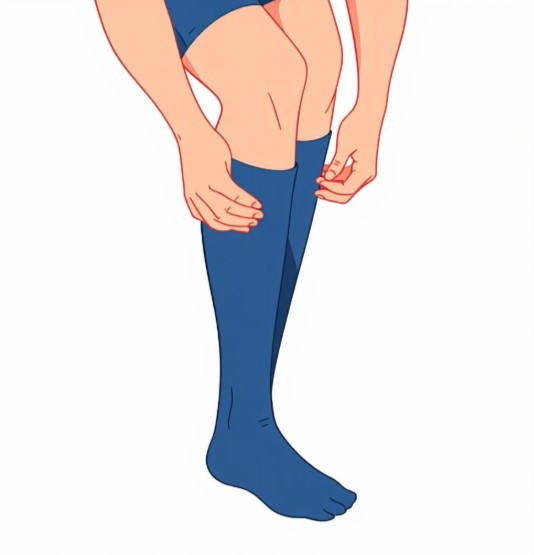
From HIIT workouts to hiking trails, compression socks can make a real difference in how your legs feel during and after activity. The key is choosing the right pair for your sport, fit needs, and personal preferences.