
Returning to the Gym After a Major Injury: A Phased Approach
Returning to the Gym After a Major Injury: A Phased Approach
Ready to get back under the bar?
It happens to everyone. You’ve been out of training for months… The scans come back clear, Doc says “you can move again”… and all you want to do is walk into the gym and start right where you left off.
That is how people get hurt a second time.
Recovery isn’t a light switch. It’s a staircase. And those who take it one step at a time are the ones who come back stronger than before the accident.
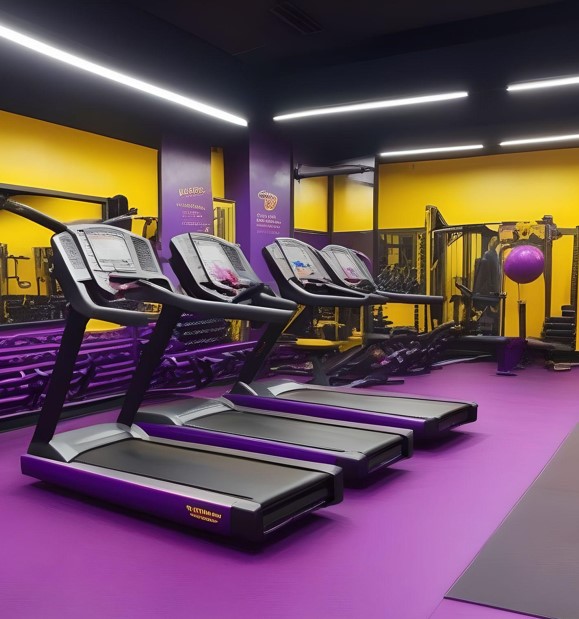
Here’s how to do it properly…
What’s covered below:
- Why The First Session Back Matters So Much
- Phase 1 — Clearance, Baseline & Paperwork
- Phase 2 — Movement Before Muscle
- Phase 3 — Reloading The Body
- Phase 4 — Back To Real Training
- The Habit Problem Nobody Warns You About
Why The First Session Back Matters So Much
Traffic accidents send millions of people for rehabilitation annually. According to Injury Facts published by the National Safety Council, there were 161,201 injuries in 2024 involving large trucks. That’s a 5% increase from the previous year.
Those are rarely sprained ankles.
Injuries suffered in accidents with commercial trucks often result in breaks, spinal cord injuries and soft tissue damage that require months of physical therapy to recover from.
There’s another layer to this as well. Recovery from serious injuries caused by a commercial vehicle and the legal claim exist simultaneously. A truck accident settlement is dependent on medical records, therapy notes and documented physical limitations. Continuing to train through pain you don’t report to the physiotherapist, or skipping appointments because you’re feeling better at the gym, silently undermines the paper trail your truck accident settlement is built on.
The rule is simple then: Train in accordance with doctor, physio and file.
Phase 1 — Clearance, Baseline & Paperwork
Nothing happens before written clearance.
No cop-out, verbal “probably fine”. It needs to be written, with details. That meeting should result in three things:
- A catalog of movements you should avoid — presses behind neck, crunches, pounding on a bag, etc.
- A weight ceiling — an actual number, not a feeling.
- A review date — when the restrictions get reassessed.
Then comes the baseline. Most people skip this and regret it.
Baseline testing = where the body is at TODAY. Tests like: Bilateral grip strength. Range of motion of painful joint. Duration of single leg stance. Distance of sit-to-stand in 30 seconds.
Write the numbers down. They are the scoreboard for the next six months. They show progress on weeks when the mirror reflects none at all.
Loading Early and Under Guidance is Better Than Delayed Loading: Another tidbit of information. Earlier loading under direction is better than waiting it out. In a study of muscle strain rehab, subjects who began directed activities by day 2 post-injury returned to play 20 days earlier than those who didn’t begin until day 9. Early loading doesn’t mean heavy loading. It means moving early, under direction, and with intention.
Phase 2 — Movement Before Muscle
Phase 2 has nothing to do with strength.
Movement re-training. We want to open up all the things that were “turned off” during immobilisation. Muscles contract. Joints tighten. Your nervous system forgot how to activate a limb it hasn’t correctly used in 3 months.
Fix that first, and the strength comes back far quicker later.
Typical work in this phase looks like:
- Bodyweight and banded movements only
- Full range with zero load before any load at all
- Breathing and core re-engagement work
- Walking, cycling or pool work for conditioning
Follow the 0–3 pain rule. Using a scale of zero to ten for pain, discomfort during or after a session should not exceed three and should dissipate within 24 hours. If it goes above that, back down on range, repetitions or both.
Expect 2-6 weeks here. Depending on the injury sustained. It will feel like WAY too easy. That’s because it is.
Phase 3 — Reloading The Body
Now the weight goes back on the bar. Slowly.
Takeoff point for reloading is machines vs. free weights. Machines guide movement so injured part does not have to stabilize/load at same time. Pattern mastered-pain free for weeks-add free weights back in.
Progression must be dull and linear. Increase weight or overall volume by about 10% per week, not both. If a session sucks, do last week’s again. Never go forwards if you had a bad session.

Three things make a real difference in this phase:
- Unilateral work. Split squats, single arm rows and step ups reveal the strength imbalance that barbell training masks.
- Slower cadence. Three seconds per repetition ensures you’re in control and not using momentum.
- Go light, go higher. Doing sets of 10 to 15 allows you to build tissue tolerance without stressing the joints.
Attempting to recreate past results by bypassing this stage is the number one cause of failed comebacks.
Phase 4 — Back To Real Training
Compound movements are back on the menu here, but only after meeting one simple criteria: the injured side is within 10% of the healthy side for both strength and range.
If your left leg is only pushing 80kg and your right leg is pushing 100kg, then your body isn’t prepared for heavy squats. Your body will cheat in other ways and that compensation will manifest into a different injury.
After closing the gap training looks fairly normal again. Progressive overload, heavier compound movements, sport specific movements if that’s something that applies to you.
Keep two habits forever though: a longer warm up, and honest tracking of pain.
The Habit Problem Nobody Warns You About
Here’s the uncomfortable truth about rehab…
Most people quit it.
Of over 2200 patients studied undertaking a supervised exercise programme, just 43% adhered to the programme, the majority of others stopping before it was completed. Home based programmes don’t appear any better, with studies showing that approximately 50% stopped an eight week tele-exercise programme.
The injury isn’t usually what stops the comeback. Boredom is.
So don’t let the grind kill you. Schedule your sessions like appointments. Lift with someone familiar with your restrictions. Record your baseline numbers each week so you have tangible evidence that something is changing, even if the weights aren’t.
Bringing It All Together
Returning from an injury successfully involves viewing it as four phases of recovery, rather than one giant return:
- Phase 1 — get written clearance and record a baseline
- Phase 2 — restore movement before touching load
- Phase 3 — reload gradually, machines before free weights
- Phase 4 — return to full training once both sides match
The temptation will always be to skip ahead. Resist it.
Individuals who restore correctly don’t simply return to baseline. They often times return with improved movement quality and fewer faulty links than before the injury occurred.
Slow is not the opposite of progress. In rehab, slow is the progress.