
Why Fall Prevention Training Matters: Balance, Strength, and Protecting Older Adults
Why Fall Prevention Training Matters: Balance, Strength, and Protecting Older Adults
Falls have a way of taking people by surprise. One moment, everything feels steady, and then a foot slips or the floor doesn’t meet the body where it should. For an older adult, that single moment can pull months of confidence right out from under them. Anyone who has watched a parent or grandparent hesitate at the top of a staircase knows how quickly fear replaces ease.
Strength, balance, and a better sense of body position can soften those moments. These skills don’t magically erase age-related changes, but they give older adults a sturdier relationship with the ground under their feet. Many people don’t realize how quietly balance erodes over the years or how much muscle disappears without regular use. Training slows that drift. It gives older adults a way to keep moving with some authority, not just caution.
Fall prevention is really about protecting freedom.
When someone trusts their own body, they’re more likely to step outside, visit friends, cook their own meals, and live the life that feels like theirs.
Training becomes less about fear and more about preserving the parts of life that matter.
The Mechanics of Falling: Why Aging Increases Risk
Aging doesn’t take away movement all at once. It chips at it. A little less ankle mobility. A little slower reaction when the ground tilts unexpectedly. A bit more hesitation when stepping over something on the floor. The systems that keep us upright need to talk to each other quickly, and age slows those conversations.
The CDC’s overview on falls lays out the numbers clearly, and the scale is hard to ignore. Millions of older adults fall every year, and the injuries aren’t small. Broken hips, head trauma, long hospital stays. The human cost goes well beyond the visible bruises.
And then there’s the environment:
- A rumpled rug
- A shiny bathroom tile
- A stretch of sidewalk that rises just enough to catch a toe
- An uneven surface
- An object on the ground
These details seem like nothing until they meet an unsteady step. When balance and reaction time aren’t what they used to be, the world becomes a landscape of small traps. Recognizing those traps is the first real step to proper balance, leg movement and making life safer.
Strength and Balance: The Cornerstones of Prevention
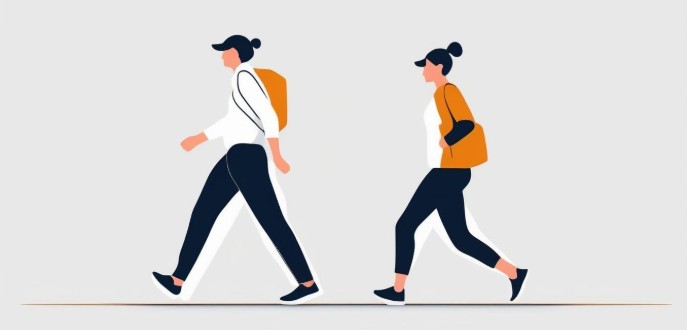
There’s a certain confidence that comes from legs that feel capable. When an older adult can stand without pushing off their hands or shift their weight without wobbling, it shows up everywhere in their day. Strength work, even in small doses, rebuilds some of the muscle that time quietly steals. Better posture, easier breathing, smoother steps. Those changes accumulate.
Balance training adds a different kind of power.
It teaches the body to listen more closely.
Simple drills that challenge weight shifts or foot placement retrain the smaller muscles that react first when something throws movement off course. The progress feels subtle at first, then surprisingly noticeable.
For people looking to support longer-term resilience, an anti-aging plan can offer a helpful framework. It ties together the kind of strength, mobility, and coordination work that keeps the body from slipping into patterns that make falls more likely.
A mix of steady strength work and thoughtful balance practice won’t make anyone immune to falls, but it creates a sturdier baseline. Even ten or fifteen minutes a day can change how secure someone feels when they’re moving through their home or neighborhood.
Movement Awareness and Environment
Older adults often move through life quickly without realizing their bodies aren’t keeping up the way they used to. Slowing down helps. Lifting the feet a little higher, turning the whole body instead of twisting at the spine, and bracing before reaching overhead. These small adjustments create better habits. They also help people notice when something feels off before it turns into a stumble.
What surrounds someone matters as much as how they move.
- Clear floors, solid handrails, and decent lighting can erase a lot of hazards.
- In a home, it might mean reorganizing a cluttered hallway or replacing an old bath mat.
- In care settings, it might be as simple as staff keeping floors dry and pathways unobstructed.
Professional guidance can be a game-changer, too. Trainers, therapists, and mobility specialists often see compensations that family members miss. They help people rebuild a sense of safety in their movements. Progress tends to show up slowly, then all at once, in the form of steadier steps and calmer transitions between tasks.
When Prevention Isn’t Enough: When Falls Still Happen
Even with good habits, falls sometimes occur, and the aftermath can be rough. Hospital stays, long rehab schedules, and a sudden fear of moving independently. When the fall happens inside a care facility, families usually assume the space was safe. Many times it is. Sometimes it isn’t.
Some situations involving nursing home fall injuries and liability come down to basic neglect. The problem might be an object left in a walkway or a spill that isn’t cleaned up quickly. In other cases, there simply aren’t enough staff available to give someone the steadying hand they need. These oversights are preventable, but they still happen, and people get hurt because of them.
Families might notice signs before anyone says a word. New bruises. A sudden drop in mood. A story that doesn’t match the injury. These moments deserve attention. Asking questions matters. Continuing to ask when the answers don’t sit right matters even more. When explanations feel incomplete, seeking guidance from someone who understands these cases becomes a form of protection.
Building a Fall-Resistant Lifestyle
A body that handles daily movement well is rarely the result of one big habit. It’s the product of many small ones. Eating enough protein to maintain muscle. Getting enough calcium and vitamin D to keep bones strong. Drinking water before the body starts feeling foggy or unsteady.
Sleep often decides how stable someone feels the next morning. Brown University says a rested mind processes visual cues more clearly.
A rested body reacts faster when something unexpected happens.
Older adults often notice the difference during ordinary tasks, like stepping into the shower or walking to the mailbox.
Walks help. Light strength sessions help. Even pausing between movements helps, especially while going up or down stairs.
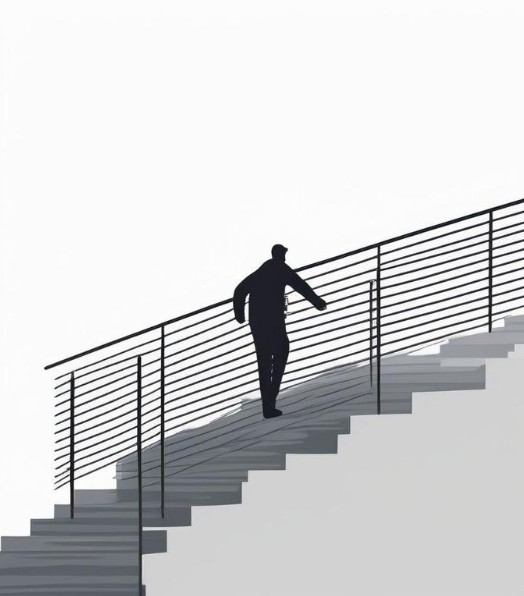
When routines support the body instead of rushing it, steadiness becomes a natural part of the day. Those improvements gather quietly and eventually shape a life that feels more predictable and less fragile.
Avoiding Dangerous Tumbles
Fall prevention training isn’t a single skill. It’s a collection of habits that give older adults a stronger sense of control. Strength sessions, balance drills, and thoughtful daily choices make movement feel more trustworthy.
The result is confidence, and that confidence influences everything from grocery shopping to climbing a porch step.
Families, caregivers, and fitness professionals all contribute to this steadiness. When older adults feel secure in their movements, their independence lasts longer. Small steps taken consistently can reshape how someone ages, how they move, and how much of their life they feel able to keep living on their own terms.