
How Faith Communities Are Becoming the Frontline of Preventive Healthcare
How Faith Communities Are Becoming the Frontline of Preventive Healthcare
When we think about healthcare innovation…
We typically picture cutting-edge technology, pharmaceutical breakthroughs, or advanced medical procedures.
But some of the most promising healthcare innovations are happening in places we might not expect: churches, mosques, temples, and community centers.
Across the United States, a quiet revolution is transforming how underserved communities access life-saving health information. At its heart is a simple but powerful idea: trust matters more than technology when it comes to changing health behaviors.
The Trust Gap in Modern Healthcare
American healthcare faces a paradox. We have access to some of the world’s most advanced medical treatments, yet vast populations remain underserved, uninformed, and disconnected from the care they desperately need.
The statistics are stark. Cardiovascular disease claims approximately 700,000 American lives annually, making it our nation’s leading killer.
Yet half of all Americans don’t even know this.
In communities of color, the situation is even more dire – African Americans face cardiovascular mortality rates 30 percent higher than their non-Hispanic white counterparts.
But the problem isn’t just access to doctors or hospitals. It’s trust.
- Decades of medical discrimination, exploitation, and neglect have created deep wells of mistrust between marginalized communities and traditional healthcare institutions.
- A white coat and a stethoscope don’t automatically confer credibility in neighborhoods where residents have learned – through painful experience – to be skeptical of outside experts.
This is where faith communities are stepping in to fill a critical void.
Why Churches Succeed Where Clinics Fail
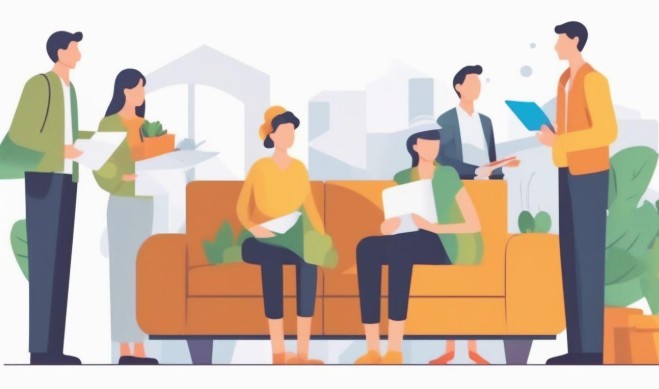
Religious institutions occupy a unique position in American community life, particularly in underserved neighborhoods. They’re not transactional relationships – people don’t show up once when they’re sick and disappear when they’re well. Churches, synagogues, and mosques are ongoing communities built on relationships, shared values, and most importantly, trust.
When a pastor or imam talks about health, congregants listen differently than they would to a billboard or a pamphlet from a health department.
When a fellow church member – someone you’ve known for years, whose struggles and triumphs you’ve witnessed – shares information about heart health, it carries weight that no public service announcement can match.
This insight is driving innovative programs that position faith communities as healthcare partners.
Rather than trying to drag people into clinical settings where they feel uncomfortable, these initiatives bring health education into spaces where people already gather, feel safe, and trust the messengers.
The Community Health Ambassador Model
The most effective programs deploy what are called Community Health Ambassadors – trained local residents, often seniors themselves, who conduct health education and outreach through existing community networks.
These aren’t nurses or doctors, though they work in partnership with healthcare professionals. They’re neighbors, church members, community elders – people with deep roots and genuine relationships within the populations they serve. Many are over 60, bringing both lived experience with aging and authentic credibility when discussing health challenges.
Research on community-based approaches to healthy aging demonstrates how this model is being implemented effectively in cities like Baltimore, where life expectancy can vary by 20 years between different neighborhoods.
The ambassadors’ work focuses heavily on cardiovascular health education, but their impact extends far beyond information delivery. They’re changing fundamental perceptions about what symptoms are “normal” aging versus warning signs of serious disease.
Confronting the “Just Getting Older” Myth
One of the most dangerous myths in aging is the assumption that deteriorating health is inevitable and unremarkable. Dizziness? Just getting older. Shortness of breath climbing stairs? Just getting older. Persistent fatigue? Just getting older.
This fatalistic mindset kills people. Those symptoms aren’t normal aging – they’re often warning signs of cardiovascular disease, conditions that are treatable if caught early but deadly if ignored.
Community Health Ambassadors challenge this narrative directly.
Through education sessions at churches, home visits, and community events, they teach people to recognize warning signs and seek appropriate care. They facilitate blood pressure checks, cholesterol screenings, and referrals to healthcare providers when needed.
Critically, because these ambassadors are trusted community members rather than outside experts, people actually listen. They ask questions they might be embarrassed to ask a doctor. They admit symptoms they might have dismissed. They agree to screenings they might have avoided.
Creating Economic Opportunity in the Process
This model has another important aspect: it gives older people who want to stay active and involved a chance to work.
- Ageism in hiring is a real problem that happens all the time.
- People over 60 often have a hard time finding work because employers value youth over experience.
- But a lot of older people are still active, able, and eager to help.
- Community health ambassador programs make use of this underused workforce by giving them paid jobs that give them both money and a sense of purpose.
The end result is a good cycle. Older workers find jobs that give them financial security and a sense of community. Health educators who know a lot about aging and can talk about it in a real way are good for communities. And the bigger healthcare system gets more people on its side in the fight against diseases that can be avoided with a doctor’s care.
Measurable Impact Beyond the Clinic Walls
Initial findings from faith-based health initiatives indicate favorable results. Hundreds of people go to education sessions. Screening events find people with high blood pressure who weren’t getting treatment. Referrals help people see doctors and specialists they wouldn’t have otherwise seen.
But maybe the most important change can’t be measured in spreadsheets:
The slow, steady change in how people think about health, aging, and their own power to stop disease.
You turn isolated medical appointments into ongoing conversations in the community when you make health conversations normal in places where people already get together. When older people who are trusted show younger people how to take care of their health, younger generations learn to expect different things about getting older. When screenings happen at church after Sunday service instead of scary medical facilities, more people sign up.
The Scalability Challenge
The obvious question is whether this model can scale. Community trust isn’t something you can manufacture or franchise. The very factors that make faith-based health programs effective – deep local roots, personal relationships, cultural competency – are also the factors that make them difficult to replicate rapidly.
Initial programs often rely on foundation funding or corporate partnerships to train ambassadors and provide resources. The long-term vision requires demonstrating return on investment that attracts broader public and private funding.
This means rigorous data collection proving that community-based prevention reduces emergency room visits, hospitalizations, and ultimately, mortality.
If the data proves compelling – and early indicators suggest it will – the model could transform healthcare delivery in underserved communities nationwide. Insurance companies have strong financial incentives to invest in programs that keep people healthier. Public health departments increasingly recognize that clinical interventions alone won’t close health equity gaps.
Redefining Community Health Infrastructure
What makes this approach particularly powerful is that it doesn’t require building new institutions. The infrastructure already exists – churches, community centers, neighborhood associations, informal networks of trust and mutual support that have sustained communities for generations.
- We’re not asking communities to change.
- We’re asking healthcare systems to meet communities where they are, on their own terms, through their own trusted messengers.
This represents a fundamental shift from top-down public health interventions to bottom-up, community-driven approaches. It acknowledges that health outcomes are shaped as much by social factors – trust, relationships, cultural context – as by medical interventions.
Beyond Cardiovascular Health
While current programs often focus on heart disease given its prevalence and severity, the model has applications far beyond cardiovascular health. Diabetes management, cancer screening, mental health awareness, vaccination campaigns – any health challenge where community trust matters could benefit from this approach.
The COVID-19 pandemic demonstrated this powerfully. Communities with strong faith-based health networks were often more successful in reaching skeptical populations with vaccine information, not because the science was explained better but because the messengers were trusted.